
[fsn_row][fsn_column width=”12″][fsn_text]
Planning cover usage for high-turnover, high-visibility fresh-food zones during peak seasons
Seasonal and peak periods in retail fresh-food departments present unique operational challenges. Produce, meat, deli, bakery, and seafood cases experience higher turnover, increased customer traffic, and heightened demand for visual appeal and product freshness. Econofrost night covers provide an effective solution for these high-pressure periods, helping retailers maintain consistent refrigeration, reduce energy use, and protect perishable products, all while supporting visually appealing, holiday-ready displays. When paired with low-heat, food-safe LED lighting for meat display lighting, produce display lighting, bakery display lighting, deli display lighting, and seafood display lighting, night covers ensure that seasonal merchandising maintains both operational efficiency and shopper satisfaction.
The Challenges of Seasonal Fresh-Food Displays
Seasonal periods—holidays, festivals, and peak shopping events—present a combination of factors that can compromise refrigeration performance and product quality:
- High Customer Traffic: More frequent case openings and product handling increase warm-air infiltration.
- Rapid Stock Turnover: Cases are restocked more often, requiring consistent temperature control to prevent spoilage
- Product Visibility Demands: Seasonal items, specialty cuts, or festive arrangements must maintain visual appeal to encourage impulse purchases.
- Extended Operating Hours: Stores may open earlier or close later, increasing operational strain on refrigeration systems.
Addressing these challenges requires strategies that protect cold air retention, manage energy use, and support product presentation during high-demand periods.
Night Covers as a Seasonal Solution
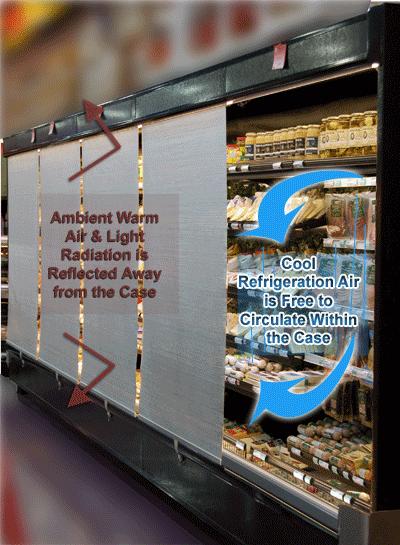
Econofrost night covers provide a static barrier that prevents ambient air from entering display cases during non-operational hours, ensuring consistent temperatures across produce, meat, deli, bakery, and seafood units. The benefits during seasonal periods are particularly pronounced:
- Maintaining Freshness Overnight
- Night covers prevent warm air from infiltrating refrigerated cases, reducing the risk of spoilage, discoloration, or product dehydration.
- Consistent overnight temperatures ensure that items such as fresh-cut produce, premium meat cuts, bakery items, and seafood maintain their appearance and quality.Low-heat, food-safe LED lighting for meat display lighting, produce display lighting, bakery display lighting, deli display lighting, and seafood display lighting complements the covers by enhancing product presentation without generating additional heat.
- Reducing Energy and Operational Load
- By retaining cold air, night covers reduce compressor run time during store closures.
- This is particularly important during holiday seasons when refrigeration systems are under increased load due to high case openings and rapid restocking.
- Consistent performance helps stores maintain energy efficiency without sacrificing product quality.
- Supporting Seasonal Visual Merchandising
- Night covers allow store teams to prepare cases for early-morning opening while keeping items fresh and visually appealing.
- Seasonal product displays, such as holiday fruit arrangements, festive meat platters, or bakery gift items, benefit from consistent temperature retention and reduced handling stress
- Flexibility for High-Turnover Departments
- Covers can be adapted for multi-deck, island, and specialty cases that experience high traffic during seasonal events.
- Custom-fit Econofrost night covers ensure full coverage and minimal disruption to merchandising workflows.
Planning Night-Cover Usage for Peak Seasons
Successful deployment of night covers during seasonal peaks requires careful planning:
- Schedule Coordination
- Align cover deployment with store operating hours and staffing schedules.
- Ensure night covers are in place after the final product restocking and before store closure to maximize overnight cold retention.
- Department-Specific Application
Adjust cover usage for high-turnover departments. For example:- Produce: Maintain moisture and color for leafy greens, fruits, and pre-cut vegetables.
- Meat & Deli: Protect premium cuts and charcuterie from temperature fluctuations.
- Bakery: Preserve baked goods’ texture and freshness, particularly for seasonal treats.
- Seafood: Maintain cold chain integrity for high-value items.
- Integration With LED Lighting
- Ensure low-heat, food-safe LED lighting remains operational and does not interfere with cover deployment.
- LED lighting highlights product quality while keeping cases cool, reinforcing seasonal display appeal.
- Staff Training and Deployment
- Train staff for consistent, correct deployment and removal of covers, particularly during busy seasonal periods.
- Establish routines that minimize handling stress and maintain the integrity of displays.
Mitigating Seasonal Operational Risks
Night covers can reduce the following risks during peak periods:
- Ambient Air Infiltration: Covers create a static thermal barrier, preventing warm store air from compromising case temperatures.
- Spoilage and Waste: Maintaining stable refrigeration reduces product loss, trimming, and spoilage, which is especially important when high volumes are stocked for seasonal demand.
- Energy Spikes: By lowering overnight cold-air loss, night covers reduce excessive compressor cycling and energy consumption, contributing to operational sustainability.
Combining Night Covers With Operational Best Practices
To maximize the benefits during seasonal periods, retailers should combine night covers with complementary strategies:
- Optimized Stocking Practices: Place high-turnover items in easy-to-access positions to reduce case openings during operating hours.
- Temperature Monitoring: Use store refrigeration data to verify that cases maintain consistent temperatures under night covers.
- LED Lighting Coordination: Ensure that low-heat, food-safe LED lighting enhances product visibility without contributing heat load that could affect overnight cooling.
- Regular Maintenance: Inspect night covers for wear, proper fit, and cleanliness before peak season deployment.
By implementing these practices, stores can achieve reliable cold-air retention, enhance product presentation, and reduce energy and labor demands during high-volume periods.
Conclusion
Econofrost night covers are a valuable tool for retailers seeking to maintain refrigeration efficiency, product freshness, and operational sustainability in seasonal fresh-food departments. By preventing ambient air infiltration during store closures, night covers protect perishable items in produce, meat, deli, bakery, and seafood cases while reducing compressor load and energy use. During peak periods, such as holidays or promotional events, night covers ensure that high-turnover, high-visibility displays retain their quality and visual appeal. When combined with low-heat, food-safe LED lighting for meat display lighting, produce display lighting, bakery display lighting, deli display lighting, and seafood display lighting, night covers support both operational performance and shopper-facing freshness. Proper planning, scheduling, staff training, and integration with seasonal merchandising practices are key to maximizing the benefits of night-cover programs in peak periods.
CTA
To learn more about Econofrost night covers and how they support seasonal fresh-food displays, visit:
https://www.econofrost.com
[/fsn_text][/fsn_column][/fsn_row]