
[fsn_row][fsn_column width=”12″][fsn_text]
Introduction
In modern supermarkets, open refrigerated displays depend heavily on stable airflow systems to maintain consistent cooling and product quality. One of the most critical elements in this system is the air curtain, which acts as an invisible barrier between cold internal air and warmer ambient store conditions. However, during peak shopping periods, these systems often struggle to perform effectively. This directly impacts air curtain performance refrigerated case, leading to temperature fluctuations and reduced cooling efficiency.
High customer traffic, frequent product interaction, and constant environmental disruption all contribute to this breakdown. When air curtains fail to maintain their structure, both energy efficiency and product quality are affected. Understanding why this happens is essential for improving system reliability and maintaining consistent retail performance.
How Air Curtains Work in Refrigerated Cases
Air curtains are designed to create a controlled stream of cold air that flows across the front of open display cases. This airflow prevents warm ambient air from entering while keeping cold air contained inside the case.
This mechanism plays a key role in ensuring cold air retention in supermarket displays, which is essential for maintaining stable temperatures without physical barriers like doors.
However, this balance is highly sensitive. Even minor disruptions in airflow or environmental conditions can weaken the air curtain, especially during busy store hours.
The Impact of High Customer Traffic
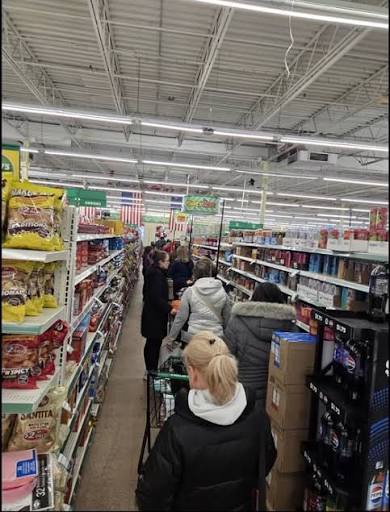
During peak hours, constant customer interaction with display cases significantly disrupts airflow patterns. Shoppers frequently reach into cases, remove products, and leave sections exposed for extended periods.
This leads to cold air loss in open display cases, as the air curtain is physically interrupted and unable to maintain a consistent barrier.
At the same time, repeated exposure introduces heat gain in open refrigeration systems, as warm store air continuously enters the display area.
These combined effects result in:
- Breakdown of the air curtain structure
- Increased mixing of warm and cold air
- Faster temperature rise inside the case
- Greater difficulty in maintaining cooling consistency
Airflow Instability and Performance Issues
Air curtains rely on stable airflow velocity and direction to function properly. During high-traffic periods, airflow becomes turbulent due to movement around the case and physical obstructions.
This creates refrigerated case airflow issues, where airflow is no longer evenly distributed across the display opening.
As a result, cases experience refrigerated case temperature instability, making it difficult to maintain consistent conditions across all shelves.
Contributing factors include:
- Disrupted airflow paths from customer movement
- Blocked vents due to product handling
- Variations in air velocity across the case opening
- Increased turbulence near high-access zones
Thermal Load and System Stress
When air curtains fail, refrigeration systems must compensate for the loss of cold air and the influx of warm air. This increases the thermal load inside the case, reducing overall efficiency.
This leads to thermal loss in refrigerated display cases, where cooling is lost faster than it can be restored.
Additionally, increased heat transfer in refrigerated cases accelerates the warming process, particularly in areas closest to customer interaction.
These conditions result in:
- Higher compressor workload
- Longer cooling recovery times
- Reduced system efficiency
- Increased strain on refrigeration components
Energy Consumption and Cost Impact
The breakdown of air curtains during busy periods significantly affects energy performance. Systems must run continuously to compensate for lost cooling, making it harder to reduce refrigeration energy consumption.
This also creates challenges in achieving refrigeration energy cost reduction, as prolonged operation increases electricity usage.
Retailers may experience:
- Higher energy bills during peak hours
- Increased equipment wear and maintenance needs
- Reduced effectiveness of energy-saving strategies
- Lower overall system efficiency
Effects on Product Quality and Freshness
Temperature instability caused by air curtain failure can directly impact product quality, particularly in fresh and perishable categories. Maintaining temperature stability food display conditions is essential for preserving freshness and extending shelf life.
When conditions fluctuate, it becomes harder to maintain product freshness supermarket standards, leading to faster spoilage and reduced visual appeal.
Common effects include:
- Shortened shelf life for perishable items
- Loss of product freshness and color consistency
- Increased risk of spoilage in sensitive categories
- Higher rates of product rejection by customers
Operational Challenges for Retailers
Air curtain breakdowns also create broader operational challenges. These issues are often linked to store-level energy inefficiencies, where repeated disruptions reduce overall system performance.
They also affect supermarket operations optimization, as inconsistent cooling conditions make it harder to manage inventory and maintain quality standards.
Retailers may face:
- Increased shrink rates in fresh departments
- More frequent product rotation requirements
- Higher markdowns due to quality decline
- Reduced efficiency in daily store operations
Strategies to Improve Air Curtain Stability
To reduce the impact of high-traffic disruptions, retailers must adopt strategies that strengthen airflow stability and improve system resilience.
Improving grocery store refrigeration optimization is essential for ensuring that air curtains perform effectively under varying conditions.
Another key approach is refrigeration load management, which helps balance cooling demand during peak hours.
Effective strategies include:
- Optimizing airflow design to maintain consistent velocity
- Reducing obstruction near air vents and case openings
- Training staff to minimize prolonged case exposure
- Using advanced controls to adjust airflow dynamically
Supporting Recovery with Night Covers
While primarily used after store hours, night covers for refrigerated display cases can help stabilize conditions during low-traffic periods and support recovery after peak hours.
The refrigeration night cover benefits include improved cold air containment and reduced thermal load, allowing systems to regain stability more efficiently.
Additionally, supermarket night cover solutions provide an extra layer of protection that helps maintain internal conditions when customer activity decreases.
Benefits include:
- Faster recovery of temperature stability
- Reduced cold air loss during downtime
- Lower energy consumption
- Improved overall system efficiency
Conclusion
Case air curtains break down during high-traffic store hours due to constant disruption, airflow instability, and increased thermal load. These factors reduce efficiency, increase energy consumption, and compromise product quality.
By improving air curtain performance refrigerated case and strengthening cold air retention in supermarket displays, retailers can maintain more stable conditions, reduce operational costs, and ensure consistent freshness even during peak shopping periods.
For More Information
For more insights on improving refrigeration efficiency and reducing energy loss in retail environments, visit:
https://www.econofrost.com
[/fsn_text][/fsn_column][/fsn_row]