
[fsn_row][fsn_column width=”12″][fsn_text]
Introduction
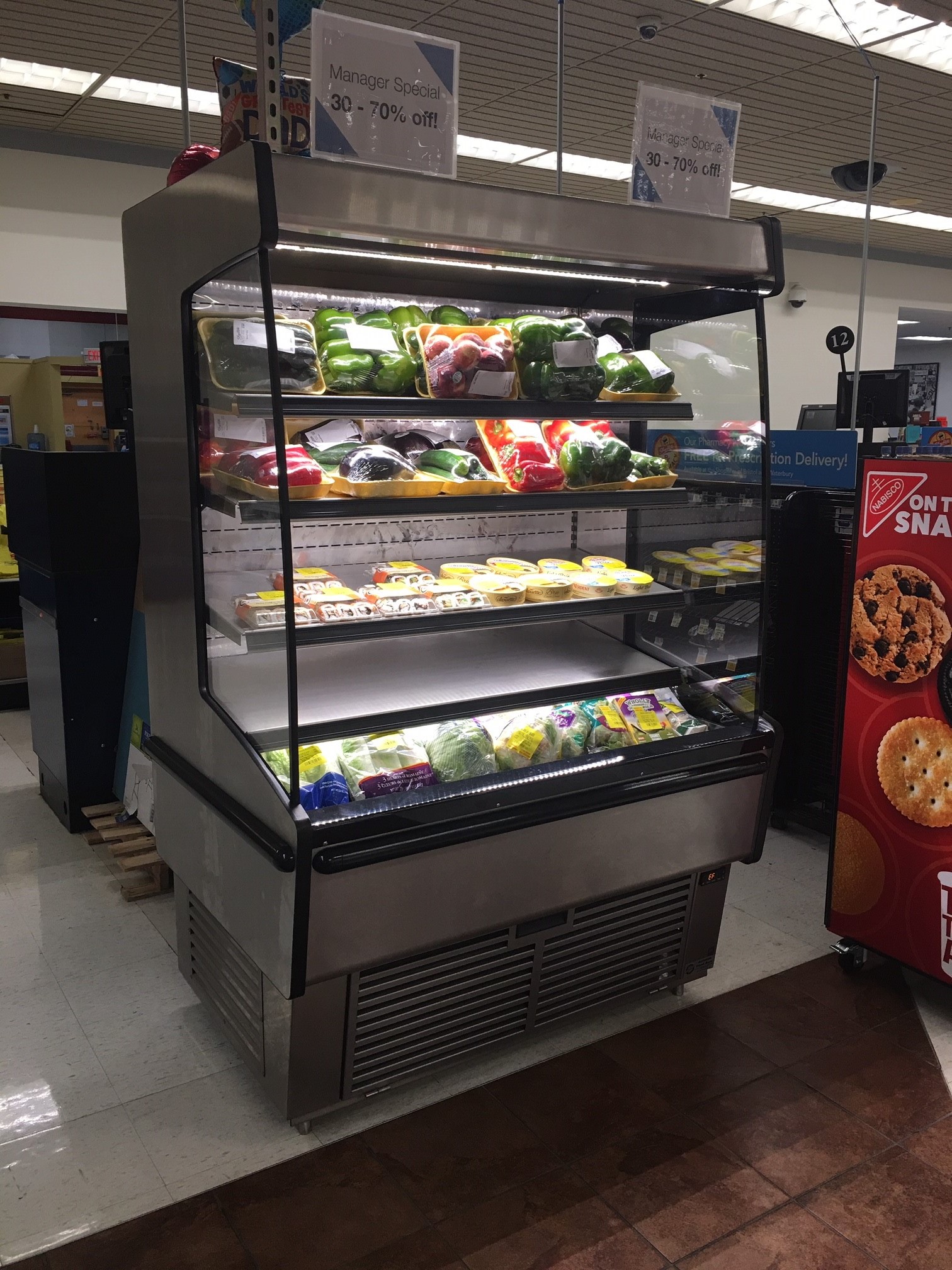
In grocery retail environments, nighttime operations are often viewed as a low-impact period where systems can run with reduced demand. However, this assumption can create hidden performance issues for open refrigerated merchandisers. Without proper control, nighttime setbacks—such as adjusted temperatures, reduced airflow, or partial system shutdowns—can increase open refrigerated display case energy loss and compromise overall system stability.
While these setbacks are typically implemented to save energy, they can unintentionally disrupt cooling consistency, leading to inefficiencies that carry over into the next business day. Understanding how nighttime conditions affect refrigeration systems is critical for maintaining performance, protecting product quality, and optimizing energy use.
What Are Nighttime Store Setbacks?
Nighttime setbacks refer to operational adjustments made after store hours to reduce energy consumption. These may include:
- Increasing ambient store temperature
- Reducing refrigeration system output
- Adjusting airflow or fan speeds
- Turning off certain lighting or equipment
- While these strategies aim to improve supermarket refrigeration efficiency, they can create unintended consequences if not carefully managed.
The key challenge lies in balancing energy savings with the need to maintain stable refrigeration conditions overnight.
Impact on Airflow and Case Stability
Open refrigerated merchandisers rely heavily on consistent airflow to maintain cooling performance. During nighttime setbacks, reduced fan speeds or altered airflow patterns can weaken system stability.
This leads to refrigerated case airflow issues, where airflow becomes insufficient to maintain proper cooling across all sections of the display.
At the same time, reduced airflow negatively affects air curtain performance refrigerated case, allowing warm air to enter and cold air to escape more easily.
As a result:
- Air curtains lose strength and consistency
- Cooling becomes uneven across shelves
- Internal case conditions begin to fluctuate
- System recovery becomes more difficult
Temperature Fluctuations and Product Risk
One of the most critical effects of nighttime setbacks is refrigerated case temperature instability. When systems are adjusted to lower energy usage, they may struggle to maintain consistent temperatures throughout the night.
This instability can impact temperature stability food display, especially in open cases that are more exposed to environmental conditions.
Consequences include:
- Gradual temperature increases overnight
- Uneven cooling across different product zones
- Increased risk of product exposure to suboptimal conditions
- Reduced effectiveness of next-day refrigeration performance
Even small fluctuations can have a cumulative impact on product quality over time.
Thermal Loss and Energy Rebound
While setbacks are intended to save energy, they can sometimes lead to increased energy use due to recovery demands. Reduced cooling overnight allows thermal loss in refrigerated display cases, as cold air dissipates and internal temperatures rise.
Additionally, continued heat transfer in refrigerated cases during this period accelerates warming, particularly in open systems.
When the store reopens, refrigeration systems must work harder to restore optimal conditions. This creates:
- Higher energy demand during startup periods
- Increased system strain during recovery
- Reduced overall efficiency despite nighttime savings
- Greater difficulty in maintaining consistent performance
Cold Air Retention Challenges
Maintaining cold air retention in supermarket displays is particularly challenging during nighttime setbacks. Without strong airflow and stable conditions, cold air gradually escapes from open cases.
This results in cold air loss in open display cases, even when customer interaction is not a factor.
Factors contributing to this issue include:
- Reduced airflow velocity during setbacks
- Lack of physical barriers in open cases
- Ambient temperature changes overnight
- System adjustments that prioritize energy savings over stability
These conditions weaken the effectiveness of refrigeration systems and increase recovery time.
Operational and Efficiency Impacts
Nighttime setbacks can also contribute to broader operational inefficiencies. These issues are often linked to store-level energy inefficiencies, where short-term savings lead to long-term performance challenges.
They can also affect supermarket operations optimization, as inconsistent overnight conditions impact next-day readiness.
Retailers may experience:
- Delayed stabilization of refrigerated cases in the morning
- Increased maintenance requirements due to system strain
- Reduced efficiency of daily operations
- Difficulty maintaining consistent product quality
Role of Night Covers in Stability
One of the most effective ways to manage nighttime setbacks is through the use of night covers for refrigerated display cases. These covers help maintain internal conditions by reducing exposure to ambient air.
The refrigeration night cover benefits include improved insulation, reduced thermal loss, and better temperature consistency throughout the night.
Additionally, supermarket night cover solutions support system stability by:
- Minimizing cold air escape
- Reducing heat infiltration
- Supporting more efficient overnight operation
- Improving overall refrigeration performance
When used correctly, night covers allow retailers to implement energy-saving strategies without compromising system stability.
Strategies for Better Nighttime Management
To balance energy savings with performance, retailers must adopt smarter approaches to nighttime operations. Effective grocery store refrigeration optimization ensures that systems remain stable while reducing unnecessary energy use.
Another key strategy is refrigeration load management, which helps distribute cooling demand more efficiently across different time periods.
Recommended practices include:
- Gradual system adjustments instead of abrupt setbacks
- Maintaining minimum airflow levels for stability
- Monitoring overnight performance for inconsistencies
- Using protective solutions like night covers to support efficiency
These strategies help ensure that energy-saving efforts do not negatively impact overall system performance.
Conclusion
Nighttime store setbacks can significantly affect open refrigerated merchandisers by disrupting airflow, increasing temperature instability, and creating additional thermal loss. While intended to save energy, these adjustments can lead to inefficiencies that impact both system performance and product quality.
By addressing open refrigerated display case energy loss and improving cold air retention in supermarket displays, retailers can implement more effective nighttime strategies that balance energy savings with consistent refrigeration performance.
For More Information
For more insights on improving refrigeration efficiency and reducing energy loss in retail environments, visit:
https://www.econofrost.com
[/fsn_text][/fsn_column][/fsn_row]