
Comparing retrofit options across cost, installation disruption and daily operations in supermarket environments
Open refrigerated display cases are a central feature of modern supermarkets and grocery stores, providing shoppers with easy access to fresh meats, produce, bakery items, deli products, and seafood. While these cases enhance visibility and encourage impulse purchases, they also present operational challenges. Open cases allow cold air to escape, increasing refrigeration load, energy consumption, and product stress. To address these issues, retailers commonly consider two retrofit options: pull-down night covers and automatic glass doors. Each solution offers distinct advantages and operational considerations, and selecting the right option requires careful evaluation of store layout, product types, staffing, and energy goals.
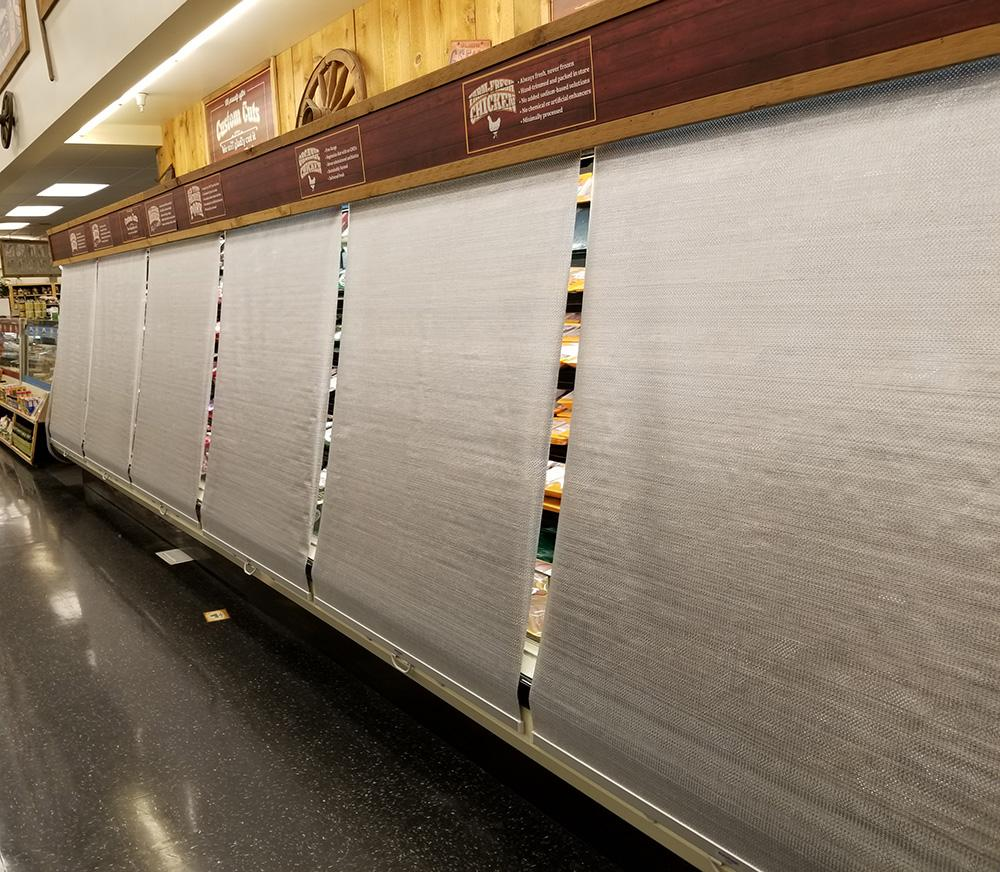
Both pull-down night covers and automatic glass doors are designed to improve thermal retention in open cases, but they differ in terms of installation, ongoing operations, and impact on shopper experience. Econofrost solutions are engineered to meet these specific challenges, supporting meat display lighting, produce display lighting, bakery display lighting, deli display lighting, and seafood display lighting while maintaining energy efficiency and product quality.
Pull-Down Night Covers: Benefits and Considerations
Pull-down night covers are flexible, removable barriers designed to cover open refrigerated cases during non-operational hours. They provide an effective thermal barrier while being relatively simple to implement.
Key benefits of pull-down night covers include:
- Ease of Installation: Pull-down covers can be retrofitted without extensive structural modifications. Stores do not need to replace existing cases or refrigeration systems.
- Energy Savings: By reducing cold air loss overnight, pull-down covers lower energy consumption and decrease compressor workload.
- Operational Flexibility: Staff can deploy covers quickly at the end of the day and remove them in the morning, allowing uninterrupted daytime access for shoppers.
- Cost-Effectiveness: Pull-down covers typically have lower upfront costs than full glass door installations and require minimal ongoing maintenance.
Considerations for pull-down night covers:
- Staff Management: Successful implementation requires consistent staff discipline in deploying and removing covers each day.
- Physical Space: Covers must be stored when not in use. Foldable or roll-up designs minimize storage challenges.
- Thermal Performance: While pull-down covers effectively reduce overnight cold air loss, they may not achieve the same level of insulation as permanent glass doors.
Pull-down night covers are particularly well-suited for stores looking for an affordable, low-disruption solution to enhance refrigerated case efficiency while retaining open access during business hours.
Automatic Glass Doors: Benefits and Considerations
Automatic glass doors are permanently installed panels that enclose open refrigerated cases. They provide continuous thermal separation between the refrigerated interior and ambient store air.
Key benefits of automatic glass doors include:
- Continuous Energy Savings: Glass doors prevent cold air loss throughout the day, not just overnight. This reduces compressor workload and maintains consistent case temperatures.
- Enhanced Food Preservation: With less exposure to ambient conditions, meat, produce, bakery, deli, and seafood displays experience less thermal stress, helping maintain freshness and extend shelf life.
- Improved Visual Appeal: Modern glass doors offer clarity and transparency, preserving product visibility while maintaining hygienic separation.
- Reduced Staff Dependence: Unlike pull-down covers, glass doors do not require daily handling, minimizing labor demands and reducing human error in case management.
Considerations for automatic glass doors:
- Installation Complexity: Retrofitting doors can involve significant modifications to existing cases, including adjustments to shelving, refrigeration airflow, and lighting integration.
- Upfront Costs: Glass doors require a larger initial investment compared to pull-down covers.
- Customer Interaction: While doors maintain visibility, some shoppers may perceive access barriers as inconvenient, potentially affecting impulse purchases.
Automatic glass doors are ideal for stores prioritizing energy efficiency, continuous thermal protection, and long-term operational savings, especially in high-traffic departments where minimizing staff intervention is important.
Operational and Daily Use Comparisons
When choosing between pull-down night covers and automatic glass doors, retailers must consider how each option impacts daily store operations:
- Staff Workflow: Pull-down covers require daily deployment and removal, whereas glass doors operate automatically, reducing staff workload.
- Customer Experience: Pull-down covers do not affect shopper access during store hours, maintaining the traditional open case experience. Glass doors require customers to open panels, which may slightly alter browsing habits.
- Maintenance: Pull-down covers are simple to clean and inspect but need daily handling. Glass doors require occasional cleaning of the glass surface and mechanical components but less frequent daily intervention.
- Integration with Lighting: Both solutions must be compatible with display lighting. Food-safe LED lighting, balanced spectrum LED fixtures, and low heat LED lights must be positioned to maintain optimal visibility and color accuracy through glass doors or under covers.
Energy and Sustainability Considerations
Both pull-down night covers and automatic glass doors contribute to operational sustainability:
- Pull-Down Night Covers: Reduce overnight refrigeration load, lowering electricity usage while supporting thermal stability for meat display lighting, produce display lighting, and bakery display lighting.
- Automatic Glass Doors: Provide continuous energy savings throughout the day, reducing overall carbon footprint and extending refrigeration system lifespan.
The choice depends on store priorities: if nightly energy reduction is the primary goal, pull-down covers may suffice. For continuous energy efficiency, automatic doors are more effective, particularly in high-volume departments
Choosing the Right Solution for Your Stor
Selecting between pull-down night covers and automatic glass doors requires evaluating several factors:
- Store Layout and Case Design: Limited ceiling height, case width, and floor space may favor pull-down covers, while larger or higher-traffic cases can accommodate glass doors.
- Budget Constraints: Pull-down covers have lower upfront costs and minimal installation disruption, whereas glass doors involve higher initial investment.
- Operational Goals: Stores aiming to minimize staff intervention may benefit from glass doors, while locations with consistent staffing and flexible storage can implement night covers effectively.
- Customer Experience: Open access is maintained with pull-down covers during business hours, preserving traditional shopping habits. Glass doors may require shopper education to ensure a smooth transition.
Retailers may also consider hybrid solutions, combining pull-down covers for overnight use with selective glass doors on high-demand or premium cases to balance energy efficiency, convenience, and shopper experience.
Conclusion
Both pull-down night covers and automatic glass doors offer significant benefits for reducing energy consumption, maintaining refrigerated case temperatures, and preserving product quality. Pull-down night covers are cost-effective, flexible, and ideal for stores seeking a low-disruption retrofit with strong overnight performance. Automatic glass doors provide continuous energy savings, enhanced food preservation, and reduced staff dependency but require higher upfront investment and careful integration with existing cases. By evaluating store layout, budget, operational priorities, and customer experience, retailers can select the solution that best meets their fresh-food display needs. Regardless of the choice, Econofrost solutions support meat display lighting, produce display lighting, bakery display lighting, deli display lighting, and seafood display lighting, ensuring that products remain fresh, visually appealing, and ready for purchase while promoting energy-efficient store operations.
CTA
To explore professional night cover and glass door solutions for refrigerated display cases, visit: https://www.econofrost.com