
[fsn_row][fsn_column width=”12″][fsn_text]
How to build operational discipline, create checklists and avoid “covers left open overnight” mistakes
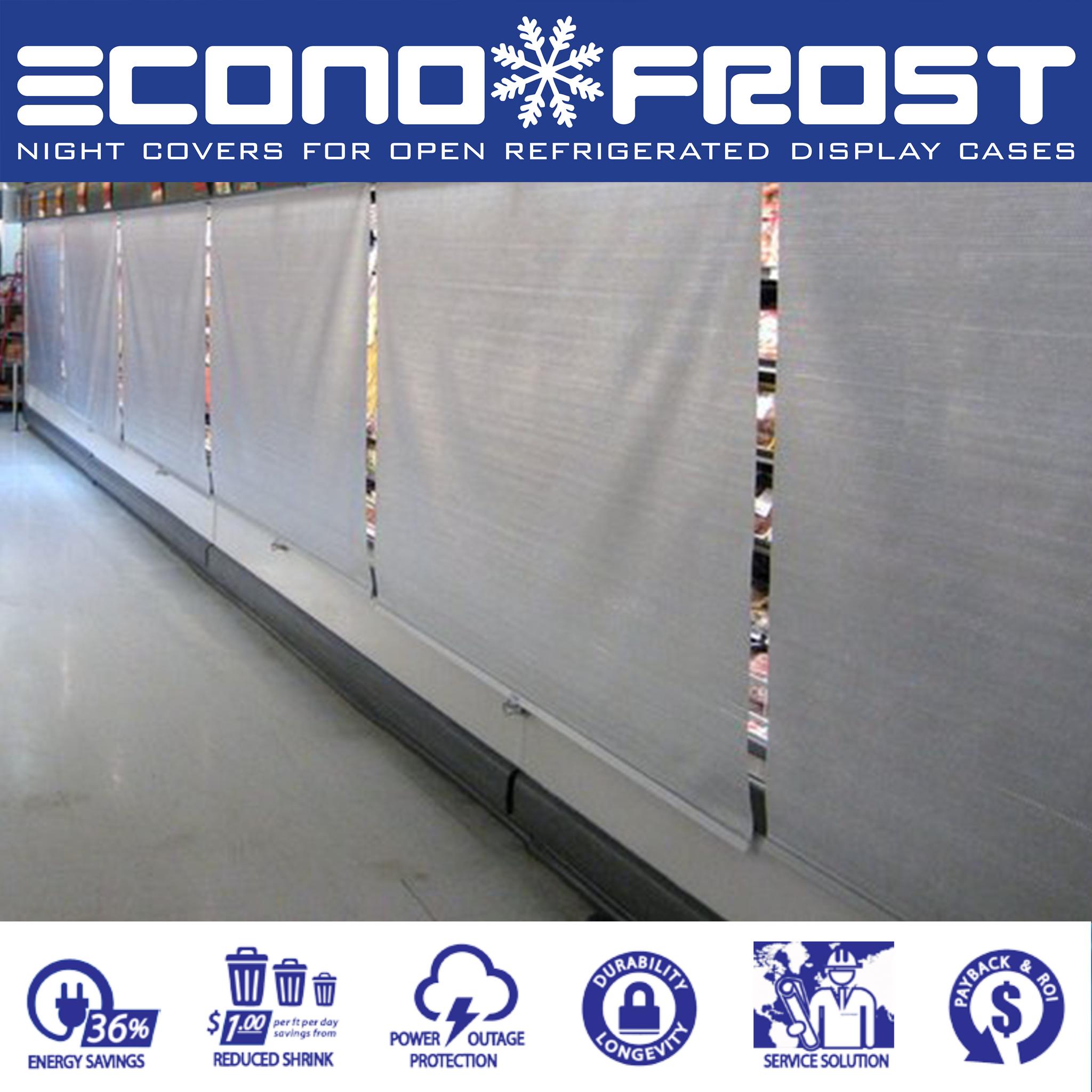
Night covers are an essential tool for preserving cold-air retention, maintaining fresh-food quality, and improving operational efficiency in retail fresh-food departments. Proper deployment and storage of Econofrost night covers ensures that produce, meat, deli, bakery, and seafood items remain safe, visually appealing, and energy-efficient overnight. However, the benefits of night covers are only fully realized when staff are trained to use them consistently and correctly.
The Importance of Staff Training for Night Covers
Improper deployment or storage of night covers can negate the intended benefits, resulting in lost energy savings, compromised cold-chain integrity, and diminished product quality. Staff training is essential to:
- Prevent Human Error: Covers left open or deployed incorrectly allow ambient air to enter display cases, raising temperatures and increasing spoilage risk.
- Ensure Operational Consistency: Standardized procedures across shifts reduce variability in overnight cold-air retention.
- Protect Merchandise and Equipment: Correct handling prevents tears, misalignment, or interference with LED lighting for meat display lighting, produce display lighting, bakery display lighting, deli display lighting, and seafood display lighting.
Key Components of an Effective Night-Cover Training Program
- Clear Standard Operating Procedures (SOPs)\
- Document step-by-step instructions for deploying and retracting covers for all display case types: produce, meat, deli, bakery, and seafood.
- Include guidance on adjusting covers for low-ceiling or irregular cases, ensuring full coverage and preventing gaps that compromise refrigeration.
- SOPs should also specify safe storage locations for covers when not in use, minimizing the risk of damage or misplacement.
- Hands-On Demonstrations
- Conduct live demonstrations for new and existing staff to reinforce proper techniques.
- Show how to handle pull-down, foldable, or modular covers safely and efficiently.
- Highlight integration with low-heat, food-safe LED lighting for meat display lighting, produce display lighting, bakery display lighting, deli display lighting, and seafood display lighting to ensure illumination is not obstructed.
- Department-Specific Instructions
Adjust training content to reflect the unique needs of each department. For example:- Produce: Focus on preventing leafy greens and fresh-cut vegetables from wilting or losing moisture.
- Meat & Deli: Emphasize maintaining color accuracy, marbling appearance, and cold-chain integrity.
- Bakery: Protect texture and freshness of bread, cakes, and seasonal items.
- Seafood: Ensure fish and shellfish remain chilled without ice melt or dehydration.
- Checklists and Accountability
- Create daily checklists to verify that all covers are deployed at closing and removed at opening.
- Include visual confirmation of full coverage, proper alignment, and unobstructed LED lighting.
- Assign staff accountability to encourage diligence and minimize oversights.
Operational Best Practices for Night-Cover Deployment
Implementing structured deployment routines ensures consistent performance:
- Timing and Scheduling
- Deploy covers after final restocking and before store closure to maximize overnight cold retention.
- Coordinate cover use with operational schedules to avoid interfering with cleaning, lighting adjustments, or merchandising tasks.
- Proper Handling Techniques
- Avoid pulling or tugging covers forcefully, which can damage materials and hardware.
- Retract covers slowly to prevent snagging on display-case edges, shelving, or LED lighting fixtures.
- Ensure smooth operation for modular or foldable designs, particularly in low-ceiling or irregular cases.
- Maintenance and Inspection
- Inspect covers regularly for wear, tears, or misalignment.
- Clean covers according to hygiene standards to prevent food contamination.
- Verify that deployment mechanisms remain smooth and unobstructed by LED lighting or shelving.
Integrating Night Covers With Fresh-Food Operations
Night covers are most effective when integrated into broader operational strategies:
- Coordination With LED Lighting
- Low-heat, food-safe LED lighting enhances product appearance while complementing night covers by minimizing heat generation.
- Ensure covers do not interfere with illumination for meat display lighting, produce display lighting, bakery display lighting, deli display lighting, or seafood display lighting.
- Inventory and Waste Management
- Covers reduce overnight temperature fluctuations that lead to trimming or discard of compromised products.
- Consistent overnight performance helps departments plan accurate morning restocking and merchandising.
- Seasonal and Peak Period Adjustments
- During holidays, promotions, or peak sales events, ensure that covers are deployed consistently despite increased staff turnover or high-volume operations.
- Adjust training and checklists for additional staff or temporary employees to maintain operational discipline.
Avoiding Common Mistakes
Even experienced staff may make errors that reduce night-cover effectiveness:
- Leaving Covers Partially Deployed: Gaps allow cold air to escape and warm air to enter, compromising product freshness.
- Improper Storage: Covers left on the floor or in high-traffic areas risk damage, contamination, or interference with LED lighting.
- Ignoring Department-Specific Requirements: Uniform instructions across departments may fail to account for differences in display height, case geometry, or product sensitivity.
Proper training, checklists, and accountability measures mitigate these risks and ensure reliable overnight performance.
Benefits of Consistent Night-Cover Operation
- Maintained Cold-Chain Integrity: Produce, meat, deli, bakery, and seafood items retain safe temperatures overnight.
- Reduced Product Waste: Consistent overnight temperatures lower spoilage, trimming, and discard.
- Energy Efficiency: Lower refrigeration load and reduced compressor runtime contribute to operational sustainability.
- Enhanced Visual Merchandising: Low-heat, food-safe LED lighting ensures product appearance remains attractive for morning shoppers.
- Staff Confidence and Accountability: Clear procedures and checklists reduce errors and streamline store operations.
Conclusion
Econofrost night covers deliver significant operational and product-quality benefits, but these advantages are fully realized only when staff deploy and store them correctly each night. Training programs that include clear SOPs, hands-on demonstrations, department-specific guidance, and daily checklists build operational discipline and prevent mistakes. Proper integration with low-heat, food-safe LED lighting for meat display lighting, produce display lighting, bakery display lighting, deli display lighting, and seafood display lighting ensures that displays maintain visual appeal while cold-chain integrity is preserved. By implementing structured routines, inspection protocols, and accountability measures, retailers can achieve consistent overnight performance, minimize waste, improve energy efficiency, and maintain consumer trust in fresh-food quality.
CTA
To learn more about Econofrost night covers and staff training programs to ensure consistent overnight deployment, visit: https://www.econofrost.com
[/fsn_text][/fsn_column][/fsn_row]