
[fsn_row][fsn_column width=”12″][fsn_text]
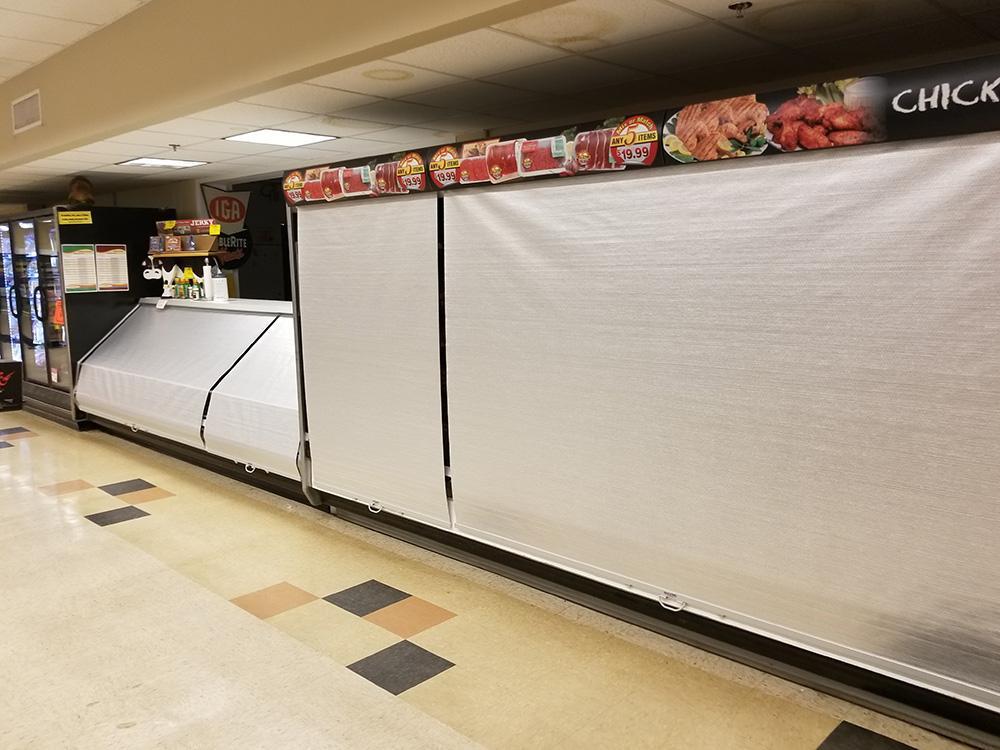
Fresh produce is one of the most sensitive categories in any supermarket. Shoppers judge fruits and vegetables based on crispness, shine, and firmness all of which depend heavily on moisture retention. Yet the open design of refrigerated multi-deck cases allows significant amounts of moisture to escape during and after store hours.
While refrigeration helps slow wilting, air exchange and radiant heat within open cases accelerate evaporation from produce surfaces. This leads to visual deterioration, texture loss, and higher shrink rates.
Econofrost thermal night covers have been tested in supermarkets worldwide and consistently demonstrate a measurable impact on moisture retention.
Why Moisture Matters in Produce
Unlike packaged foods, fresh produce has no protective barrier. Leafy greens, berries, and root vegetables continuously lose water after harvest, and the rate of loss depends on both storage conditions and environmental exposure.
Moisture loss affects:
- Visual appeal: Wilted greens or shriveled peppers immediately appear old.
- Weight shrink: Since produce is sold by weight, water loss translates directly into lost revenue.
- Shelf life: Accelerated drying reduces freshness and forces faster turnover.
Quality assurance logbooks in produce departments often track percent weight loss over 24-hour periods, highlighting how much faster uncovered displays degrade compared to covered ones.
The Problem with Open Cases
Open refrigerated displays are designed for easy access and merchandising flexibility, but they are also vulnerable to environmental stress:
- Air infiltration: Store air constantly mixes with cold case air, increasing evaporative stress.
- Radiant heat from overhead lighting: Adds additional energy input, raising surface temperatures of produce items.
- Nighttime exposure: When refrigeration cycles down or airflow slows, uncovered produce loses even more moisture.
Together, these factors create conditions where moisture loss is inevitable unless barriers are introduced.
How Econofrost Night Covers Suppress Evaporation
Econofrost night covers act as passive thermal barriers for refrigerated cases. Unlike mechanical systems, they don’t generate energy but instead reduce environmental stress by creating a protective shield.
Key functions:
- Reduced air movement across produce surfaces: These Covers minimize the mixing of warm ambient air with the cooler refrigerated air inside cases. Lower airflow means less moisture carried away from produce surfaces.
- Lower radiant heat transfer: These woven aluminum fabric used in Econofrost reflects infrared radiation, reducing subtle surface warming that accelerates water loss.
- Stable overnight conditions: During closed hours, covers preserve a microclimate within the case that maintains both low temperature and high relative humidity, conditions that slow transpiration.
Evidence from Supermarket Studies
Independent Audits and QA Testing
- North American Retail Chains: Internal logbooks comparing covered vs. uncovered cases recorded slower wilting of leafy greens and improved freshness of herbs after 12- to 24-hour cycles.
- European Produce Departments: Reports noted that uncovered displays showed measurable weight loss in cucumbers and peppers overnight, while covered cases preserved significantly more hydration.
Scientific Correlation
Moisture loss in produce is often linked to transpiration rates, which double with even minor increases in surface temperature or airflow. By stabilizing these conditions, Econofrost covers directly reduce measurable evaporation.
Retailer Benefits
- Extended Shelf Life: With less dehydration, produce maintains a crisp and appealing appearance for longer, extending the window for full-price sales.
- Reduced Shrink: Since produce is sold by weight, preventing moisture loss prevents lost profit. A head of lettuce that retains its hydration is worth more at checkout than one that has wilted overnight.
- Better Inventory Control: Longer freshness cycles allow produce managers to rotate stock more efficiently, reducing unnecessary waste.
- Improved Sustainability Metrics: Lower shrink means less food waste a key component of ESG and corporate sustainability goals.
Case Example: Leafy Greens
In one North American QA study, a supermarket tracked overnight weight changes in leafy greens.
- Uncovered cases: Average moisture loss of 2–3% overnight, resulting in wilted leaves by morning.
- Cases with Econofrost covers: Moisture loss reduced to less than 1%, preserving firmness and visual appeal for next-day shoppers.
While the percentages vary by product and climate, the trend is consistent: covering cases reduces evaporation significantly.
Integration with Store Operations
Econofrost covers are designed for ease of use so staff can quickly deploy them at closing and retract them at opening without disrupting operations. For produce managers, this practice requires minimal training but provides measurable benefits in:
- Morning presentation quality
- Reduced trimming and culling
Looking Beyond Overnight Protection
Although the primary application of Econofrost covers is overnight use, many retailers deploy them during slow shopping periods (early mornings or late evenings). This practice helps stabilize microclimates within cases even when stores are open, further reducing moisture loss without affecting merchandising appeal.
The Bigger Picture: Energy and Moisture Together
While most case studies highlight energy savings from Econofrost covers (through reduced refrigeration load), the produce preservation benefit is equally significant. Energy savings improve the store’s bottom line through reduced utility bills, while moisture retention improves profitability through reduced shrink.
This dual impact makes Econofrost covers not just an efficiency measure, but also a quality assurance tool for produce managers.
Final Thoughts
Moisture retention is one of the most important but overlooked aspects of supermarket produce quality. Uncovered refrigerated cases expose fruits and vegetables to constant evaporation, leading to shrink, waste, and lost sales.
By installing Econofrost night covers, retailers gain a proven method to:
- Reduce moisture loss overnight.
- Preserve crispness and appearance of fresh produce.
- Lower shrink and improve profitability.
- Support sustainability initiatives through reduced food waste.
Call to Action
Discover how Econofrost night covers can help your produce department retain freshness, reduce shrink, and deliver better margins.
Learn more at https://www.econofrost.com
[/fsn_text][/fsn_column][/fsn_row]