
[fsn_row][fsn_column width=”12″][fsn_text]
Introduction
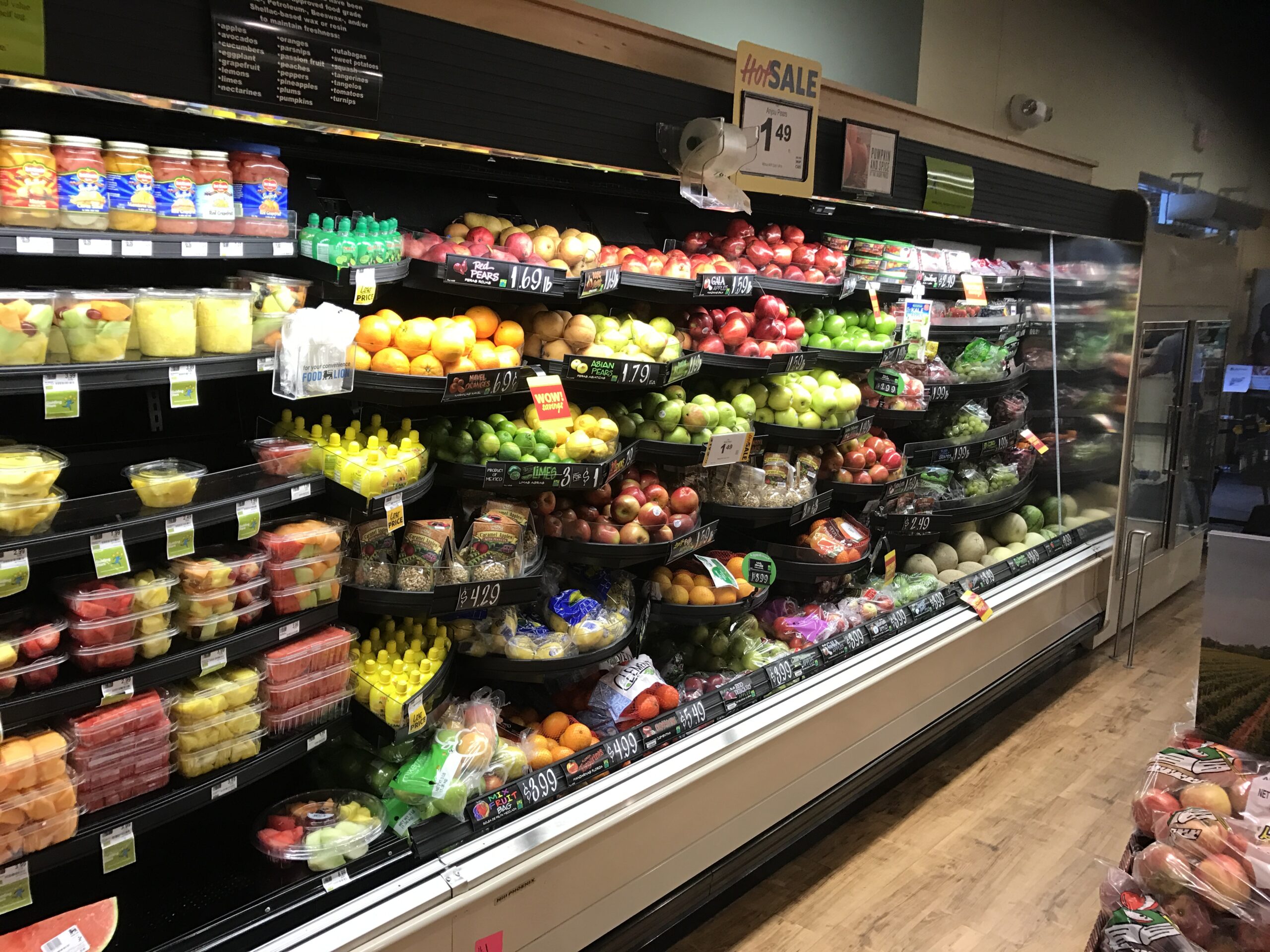
Efficient refrigeration is essential for maintaining product quality and operational performance in modern retail environments. However, many stores struggle with slow recovery times after restocking, which directly impacts supermarket refrigeration efficiency and product stability.
A key issue during stocking is open refrigerated display case energy loss, as cases remain exposed for extended periods while products are replenished. This exposure disrupts internal cooling conditions and forces refrigeration systems to work harder to restore temperature balance.
Understanding why recovery delays occur is critical for improving system performance, reducing energy waste, and maintaining consistent freshness across all display categories.
What Happens During Stocking Events
Stocking events involve repeated opening of display cases, product handling, and prolonged exposure to ambient air. These activities interrupt the controlled environment required for efficient refrigeration.
One of the immediate effects is cold air loss in open display cases, where chilled air escapes and is replaced by warmer store air. This significantly increases the thermal load on the system.
At the same time, heat gain in open refrigeration systems intensifies as external air enters the display zone, raising internal temperatures and creating instability.
These conditions result in:
- Rapid temperature increases during restocking
- Uneven cooling across shelves
- Increased compressor workload
- Delayed return to optimal conditions
Airflow Disruption and Cooling Inefficiency
Refrigerated display cases rely on carefully engineered airflow systems to maintain consistent temperatures. During stocking, these airflow patterns are interrupted, reducing cooling efficiency.
This leads to refrigerated case airflow issues, where the protective air curtain is weakened or broken due to physical obstruction and external air intrusion.
As a result, air curtain performance refrigerated case systems become less effective, allowing warm air to mix with the cold air inside the case.
Consequences of airflow disruption include:
- Reduced cooling efficiency across product zones
- Increased mixing of warm and cold air
- Slower temperature recovery after stocking
- Greater strain on refrigeration systems
Temperature Instability and Recovery Delays
One of the most significant challenges during stocking events is refrigerated case temperature instability. As temperatures rise, systems must work continuously to bring conditions back within acceptable limits.
This instability directly affects case temperature control supermarket operations, making it difficult to maintain consistent product temperatures during and after restocking.
Recovery delays are caused by:
- High thermal load from repeated exposure
- Disrupted airflow patterns
- Overloaded cooling systems
- Insufficient containment of cold air
In many cases, full recovery can take significantly longer than expected, especially during peak stocking periods.
Impact on Refrigeration Thermal Performance
Frequent stocking events can negatively affect refrigeration thermal performance, as systems are forced to operate beyond normal capacity to restore stable conditions.
This is closely related to heat transfer in refrigerated cases, which increases when warm air continuously enters the display environment.
These factors contribute to:
- Slower cooling cycles after restocking
- Increased energy consumption during recovery
- Reduced system efficiency over time
- Higher operational costs
Energy Consumption and Cost Implications
Slow recovery times have a direct impact on energy usage in retail environments. Systems that struggle to regain stable temperatures consume more electricity and operate less efficiently.
This makes it harder to reduce refrigeration energy consumption, particularly in stores with frequent restocking schedules.
It also affects refrigeration energy cost reduction, as prolonged recovery cycles increase overall energy demand.
Retailers may experience:
- Higher electricity bills due to extended system operation
- Increased compressor wear and maintenance costs
- Reduced return on energy efficiency investments
- Greater overall operational expenses
Effect on Product Freshness and Shelf Life
Temperature instability during and after stocking events can compromise product quality, especially in fresh and perishable categories.
This directly impacts temperature stability food display, which is essential for maintaining consistent product conditions.
It also creates challenges for fresh food shelf life improvement, as fluctuating temperatures accelerate spoilage and reduce product longevity.
Common product-related impacts include:
- Reduced shelf life in fresh produce and dairy items
- Increased spoilage in temperature-sensitive products
- Loss of visual appeal and freshness perception
- Higher rates of product rejection by customers
Operational Inefficiencies in Fresh Departments
Slow recovery after stocking contributes to broader operational challenges within fresh departments.
These issues are often linked to store-level energy inefficiencies, where repeated disruptions reduce overall system performance.
They also affect efforts to reduce shrink in fresh departments, as temperature fluctuations lead to increased waste and product loss.
Retailers may notice:
- Higher shrink rates in fresh categories
- Increased need for product rotation
- More frequent markdowns due to quality decline
- Reduced profitability in perishable sections
Strategies to Improve Recovery Time
To address slow recovery, retailers must focus on grocery store refrigeration optimization, ensuring that systems are designed and operated for efficiency during high-impact activities like stocking.
Another key approach is refrigeration load management, which helps distribute cooling demand more effectively during peak operational periods.
Effective strategies include:
- Minimizing exposure time during restocking
- Organizing stocking schedules to reduce disruption
- Improving airflow design within display cases
- Enhancing system responsiveness to temperature changes
Role of Night Covers in Recovery Efficiency
While typically used during closed hours, night covers for refrigerated display cases can also support faster recovery when applied strategically.
The refrigeration night cover benefits include improved containment of cold air and reduced exposure to ambient conditions, even during short operational pauses.
Additionally, supermarket night cover solutions help maintain internal stability, allowing systems to recover more quickly after disruptions.
Benefits include:
- Faster temperature stabilization after stocking
- Reduced cold air loss during brief interruptions
- Lower energy consumption during recovery cycles
- Improved overall system efficiency
Conclusion
Refrigerated display cases recover slowly after stocking events due to airflow disruption, heat gain, and increased thermal load. These factors reduce system efficiency, increase energy consumption, and impact product quality.
By addressing open refrigerated display case energy loss and improving supermarket refrigeration efficiency, retailers can enhance recovery times, reduce operational waste, and maintain consistent freshness across all product categories.
For More Information
For more insights on improving refrigeration efficiency and reducing energy loss in retail environments, visit:
https://www.econofrost.com
[/fsn_text][/fsn_column][/fsn_row]