
[fsn_row][fsn_column width=”12″][fsn_text]
Introduction
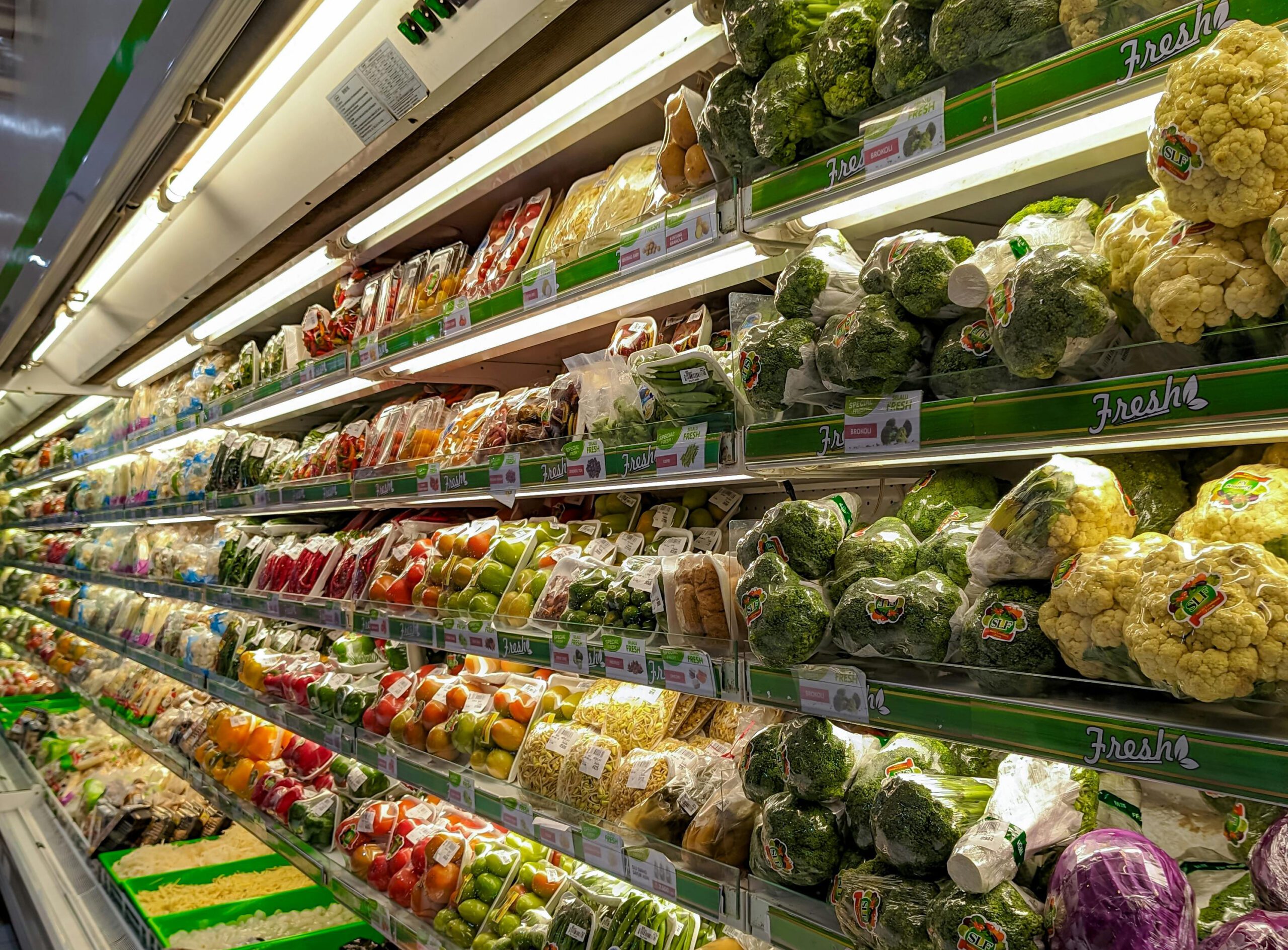
In modern grocery operations, supermarket refrigeration efficiency is a key performance factor that directly influences product freshness, energy consumption, and operational costs. However, one of the most overlooked issues occurs during routine store cleaning hours, when open refrigerated cases are exposed to repeated airflow disruption.
A critical concern during these periods is open refrigerated display case energy loss, which happens when cold air escapes and warm ambient air enters the system. This disruption affects temperature stability and reduces the overall efficiency of refrigeration systems, especially in high-traffic fresh departments.
Understanding why this happens is essential for improving system reliability, reducing waste, and maintaining consistent product quality throughout operational cycles.
How Cleaning Activities Disrupt Refrigeration Stability
During store cleaning hours, refrigerated display cases are frequently exposed to open doors, increased foot traffic, and airflow interruptions. These conditions directly affect refrigerated case temperature instability, making it difficult for systems to maintain consistent cooling levels.
One of the main causes of this issue is cold air loss in open display cases, where chilled air escapes due to repeated exposure and lack of containment barriers.
This leads to several operational challenges:
- Fluctuating product temperatures in fresh sections
- Increased compressor workload to restore cooling levels
- Reduced energy efficiency across refrigeration systems
- Inconsistent preservation of perishable goods
Even short cleaning cycles can create cumulative instability throughout the day.
Airflow Disruption and Heat Exchange During Cleaning Hours
Refrigerated cases rely heavily on controlled airflow patterns to maintain internal temperature balance. When cleaning activities begin, these patterns are disrupted, leading to inefficiencies in system performance.
This is closely related to heat gain in open refrigeration systems, where warm air from the store environment replaces cold air inside display cases.
Additionally, heat transfer in refrigerated cases increases significantly during cleaning periods due to frequent exposure of product zones.
These interactions result in:
- Faster temperature rise in exposed sections
- Uneven cooling across display shelves
- Increased energy demand to stabilize conditions
- Reduced overall refrigeration efficiency
Impact on Cold Air Retention and System Performance
One of the most critical challenges during cleaning hours is maintaining cold air retention in supermarket displays. When this balance is disrupted, refrigeration systems must work harder to compensate for losses.
This issue directly affects refrigeration thermal performance, as the system continuously cycles to restore optimal conditions after each exposure.
In addition, air curtain performance refrigerated case systems are often weakened during cleaning activities due to repeated interruption of airflow barriers.
As a result, retailers may experience:
- Reduced cooling efficiency in open cases
- Increased energy consumption during recovery cycles
- Greater temperature fluctuations in sensitive products
- Higher operational strain on refrigeration equipment
Energy Loss and Operational Inefficiencies
Frequent exposure during cleaning hours contributes significantly to store-level energy inefficiencies, especially in large-format grocery environments.
This is directly linked to reduce refrigeration energy consumption, which becomes more difficult when systems are repeatedly forced to compensate for thermal loss.
Key operational impacts include:
- Higher electricity usage during peak recovery periods
- Increased compressor runtime
- Reduced system lifespan due to overuse
- Inefficient cooling cycles across departments
These inefficiencies often go unnoticed because they occur during non-peak shopping hours, but their cumulative effect is significant.
Case Temperature Control Challenges in Fresh Departments
Maintaining stable conditions in fresh food areas is especially challenging during cleaning cycles. This is where case temperature control supermarket systems are put under stress due to repeated exposure and airflow disruption.
At the same time, refrigerated case airflow issues become more pronounced, particularly in open multi-deck display units.
These conditions can lead to:
- Uneven cooling across product zones
- Increased risk of spoilage in sensitive categories
- Reduced freshness perception by customers
- Higher shrink levels in fresh departments
Impact on Product Freshness and Waste
Temperature instability during cleaning hours does not only affect energy performance—it also directly impacts product quality.
This contributes to fresh food shelf life improvement challenges, as inconsistent cooling reduces the stability of perishable goods.
It also affects reduce food waste grocery store outcomes, since temperature fluctuations can accelerate spoilage or reduce perceived freshness even when products remain safe.
Additional consequences include:
- Increased markdowns due to quality concerns
- Shortened display life for fresh products
- Reduced customer confidence in freshness
- Higher operational waste in fresh departments
Role of Operational Optimization Strategies
To reduce these inefficiencies, retailers must focus on supermarket operations optimization, especially during non-sales hours when cleaning takes place.
This includes improving workflows to minimize unnecessary exposure of refrigerated cases and stabilizing system recovery times.
Another important factor is grocery store refrigeration optimization, which focuses on improving system design, airflow control, and temperature recovery efficiency.
Key strategies include:
- Limiting open exposure time during cleaning
- Improving airflow stability in display cases
- Enhancing refrigeration system response rates
- Reducing unnecessary thermal load during maintenance
Improving Refrigeration System Performance
To address these challenges effectively, retailers must focus on improve refrigeration system performance through better design and operational control.
This includes integrating smarter airflow systems, reducing unnecessary exposure, and optimizing energy use during cleaning cycles.
These improvements support:
- More stable temperature control during disruptions
- Reduced energy consumption during recovery
- Better product preservation in fresh categories
- Improved long-term system efficiency
Conclusion
Open refrigerated cases lose temperature stability during store cleaning hours due to repeated airflow disruption, heat gain, and system recovery cycles. These issues directly impact both energy efficiency and product freshness in retail environments.
By addressing open refrigerated display case energy loss and improving supermarket refrigeration efficiency, retailers can significantly reduce operational waste, stabilize product conditions, and improve overall system performance.
For More Information
For more insights on improving refrigeration performance and reducing energy loss in retail environments, visit:
https://www.econofrost.com
[/fsn_text][/fsn_column][/fsn_row]
