
[fsn_row][fsn_column width=”12″][fsn_text]
Introduction
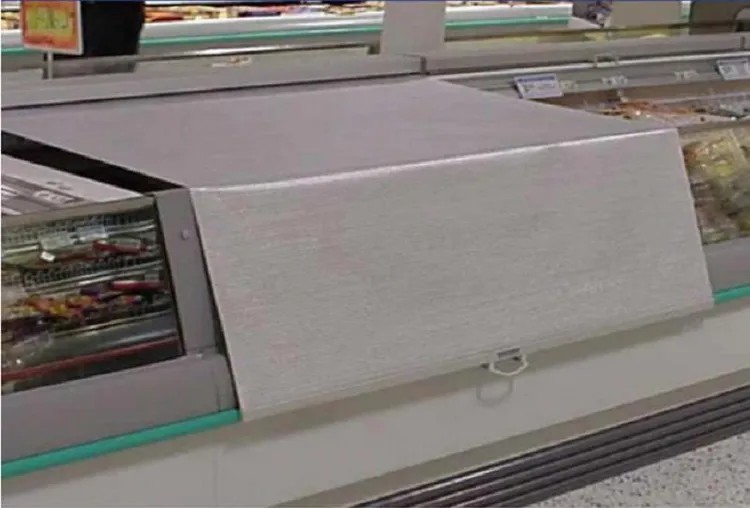
Modern food retail environments rely heavily on controlled refrigeration systems to ensure safety, freshness, and compliance. However, one often overlooked element in food safety audits is the role of night covers for refrigerated display cases. These covers are not just energy-saving accessories — they are critical components that directly influence food safety risk management.
When refrigerated cases are left exposed during low-traffic hours or overnight periods, they become vulnerable to temperature fluctuations, contamination risks, and unnecessary energy loss. Including case covers in structured food safety risk reviews helps retailers identify hidden vulnerabilities that affect both product quality and operational efficiency.
As grocery operations become more complex and regulatory standards tighten, integrating refrigeration accessories into risk assessment frameworks is no longer optional — it is essential.
The Role of Covers in Temperature Stability and Risk Control
One of the most important benefits linked to proper case coverage is refrigeration night cover benefits, especially in maintaining stable internal conditions during off-peak hours. Open or partially protected cases experience faster temperature fluctuations, which can compromise food safety thresholds and increase microbial risks.
When temperature stability is disrupted, perishable items become more vulnerable to spoilage. This is particularly critical in fresh food sections where even minor deviations can reduce shelf life and increase shrink rates.
By incorporating case covers into risk reviews, retailers gain a clearer understanding of how environmental exposure impacts refrigeration performance overnight. This allows better alignment between operational procedures and safety compliance requirements.
Supermarket Operational Impact and Energy-Safety Link
Food safety risk reviews are not limited to contamination or handling practices — they also include system performance and environmental stability. In this context, supermarket night cover solutions play a significant role in reducing exposure-related risks while supporting energy efficiency goals.
- When refrigeration units operate without proper coverage, they experience higher cooling demand. This not only increases operational costs but also places additional stress on temperature consistency, especially in open multi-deck systems.
- Over time, this can lead to uneven cooling patterns and reduced product stability. By integrating cover usage into safety audits, retailers can better evaluate how physical infrastructure contributes to both safety risks and energy inefficiencies.
- This connection between safety and efficiency makes refrigerated case covers an essential part of modern retail risk frameworks.
Commercial Refrigeration Covers in Compliance and Safety Reviews
From a compliance perspective, commercial refrigeration covers are increasingly being recognized as a preventive control measure. They help maintain consistent internal temperatures during non-operational hours, reducing the likelihood of unsafe temperature exposure.
In food safety risk assessments, consistency is a key factor. Any fluctuation that compromises storage conditions can lead to non-compliance with food safety standards. Case covers help reduce these fluctuations by acting as a thermal barrier between the refrigerated environment and external conditions.
Including them in structured audits also improves documentation practices, allowing store operators to demonstrate proactive risk mitigation strategies during inspections.
In addition, better coverage reduces strain on refrigeration systems, which indirectly supports longer equipment lifespan and more stable operational performance.
Integration into Risk Assessment Frameworks
- Food safety risk reviews typically focus on handling, storage, and sanitation practices. However, environmental controls such as refrigeration coverage are equally important in maintaining safety standards.
- When case covers are included in audit checklists, retailers can better evaluate how well their systems maintain stable storage conditions during non-operational hours. This helps identify weak points that might otherwise go unnoticed in standard inspections.
- It also supports improved communication between maintenance teams and food safety officers, ensuring that refrigeration performance is monitored holistically rather than in isolation.
- By expanding the scope of risk reviews to include physical control measures like covers, grocery stores can create a more resilient and compliant cold chain environment.
Conclusion
Including refrigeration accessories in food safety evaluations is no longer a secondary consideration — it is a necessity for modern retail operations. Proper coverage helps ensure maintain product freshness supermarket standards by protecting goods from unnecessary temperature exposure and environmental stress.
At the same time, recognizing refrigeration night cover benefits within risk frameworks allows retailers to strengthen both safety compliance and operational efficiency. When integrated properly, these measures support longer shelf life, reduced spoilage, and more stable refrigeration performance.
Ultimately, refrigerated case covers should be viewed as a core part of food safety strategy, not just an optional energy-saving tool.
For further information Visit www.econofrost.com
[/fsn_text][/fsn_column][/fsn_row]