
[fsn_row][fsn_column width=”12″][fsn_text]
Introduction
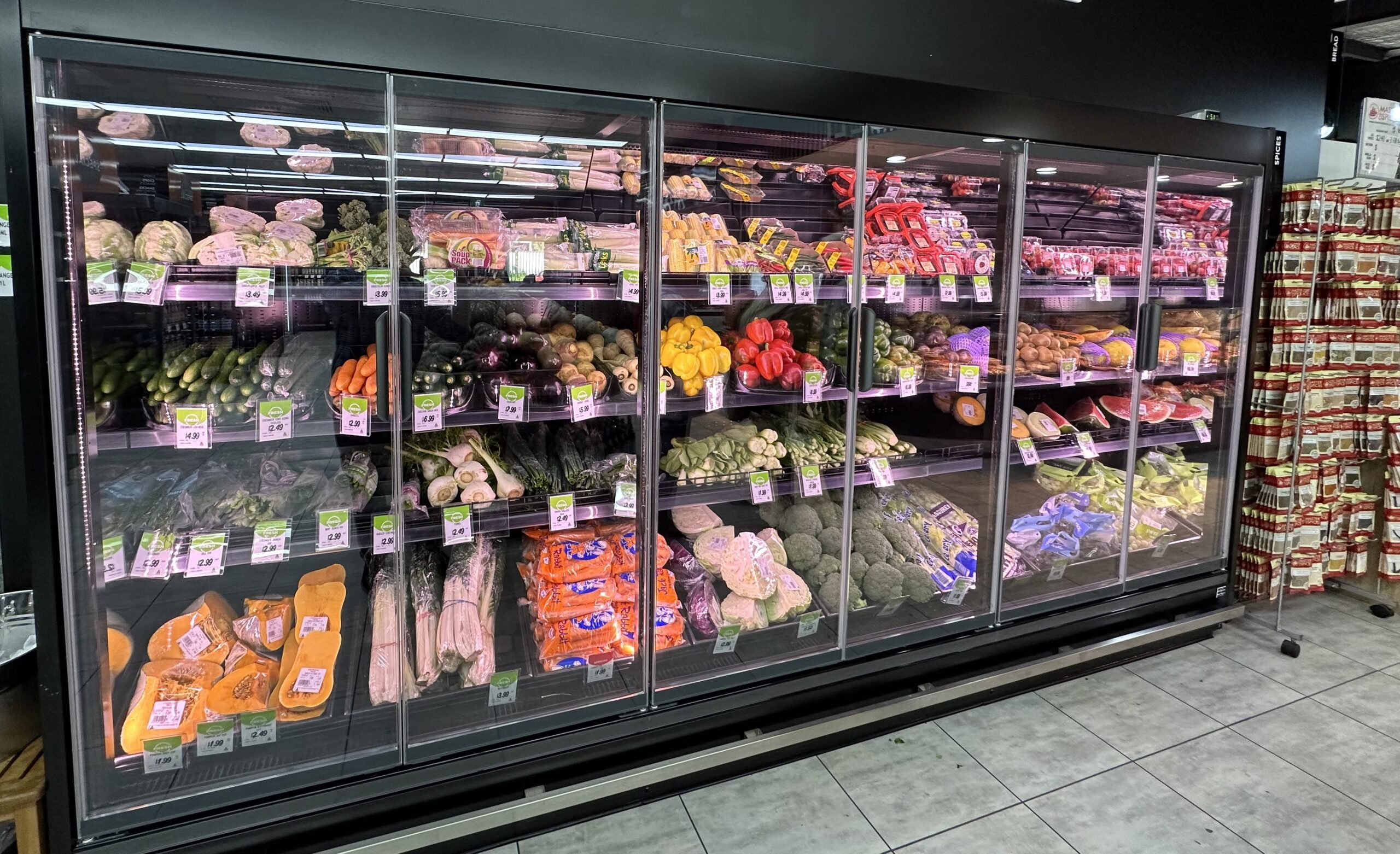
Fresh produce departments rely heavily on stable refrigeration environments to maintain visual appeal, nutritional quality, and shelf life. However, when overnight conditions become unstable, the entire system begins to lose efficiency. One of the most immediate consequences is refrigerated case temperature instability, which directly affects how well fresh fruits and vegetables are preserved before store opening.
Unstable overnight conditions often go unnoticed, yet they create a chain reaction that increases trim loss, reduces product quality, and raises operational costs. Understanding how these conditions develop is essential for improving store performance and reducing unnecessary waste.
How Overnight Instability Develops in Produce Displays
During non-operational hours, supermarkets typically reduce staffing and adjust system settings to save energy. While this approach is designed to improve efficiency, it can unintentionally disrupt refrigeration balance.
When airflow, temperature settings, or system cycles are altered, it can lead to refrigerated case airflow issues, especially in open produce displays that depend on consistent circulation.
At the same time, reduced system activity can contribute to heat gain in open refrigeration systems, particularly in stores with fluctuating ambient conditions overnight.
These combined factors create unstable conditions that affect product quality long before the store opens.
Impact on Airflow and Cooling Consistency
Airflow is one of the most critical components in maintaining produce freshness. When overnight settings reduce fan speed or adjust cooling cycles, it often results in poor air distribution within cases.
This leads to cold air loss in open display cases, where chilled air escapes instead of circulating evenly across products.
It also weakens air curtain performance refrigerated case, especially in open merchandising systems that rely on air barriers to separate cold and warm environments.
The result is:
- Uneven cooling across produce sections
- Reduced protection for exposed items
- Slower recovery when systems restart
- Increased stress on refrigeration equipment in the morning
These airflow disruptions directly contribute to higher trim loss rates.
Temperature Fluctuations and Produce Degradation
One of the most damaging effects of unstable overnight conditions is inconsistent temperature control. Without proper regulation, systems struggle to maintain optimal cooling levels.
This leads to ongoing refrigerated case temperature instability, which significantly affects sensitive produce items such as leafy greens, berries, and cut fruits.
At the same time, weakened cooling efficiency reduces temperature stability food display, causing small but repeated fluctuations that accelerate deterioration.
These conditions result in:
- Faster wilting of leafy vegetables
- Loss of firmness in fruits
- Increased moisture imbalance in packaged produce
- Reduced visual freshness at store opening
Even minor overnight temperature shifts can significantly impact morning presentation quality.
Thermal Stress and Energy Recovery Load
When refrigeration systems operate under unstable conditions, they often experience greater thermal stress. This is closely linked to heat transfer in refrigerated cases, where temperature differences between internal and external environments become more pronounced.
Additionally, poor overnight balance contributes to thermal loss in refrigerated display cases, reducing the system’s ability to retain cold air effectively.
When the store reopens, refrigeration systems must work harder to restore optimal conditions. This leads to:
- Increased energy consumption during recovery
- Higher compressor workload in early hours
- Delayed stabilization of produce displays
- Reduced overall system efficiency
This recovery process adds hidden operational costs that are often overlooked.
Operational Challenges and Waste Increase
Unstable overnight conditions directly contribute to higher trim loss in produce departments. When products are exposed to fluctuating temperatures and inconsistent airflow, they deteriorate faster and require more frequent removal.
This is often linked to broader store-level energy inefficiencies, where system performance does not align with operational needs.
It also impacts supermarket operations optimization, as staff must spend more time sorting, trimming, and discarding compromised produce.
Common outcomes include:
- Increased morning trimming workload
- Higher product discard rates
- Reduced shelf presentation quality
- Inefficient use of fresh inventory
These challenges directly affect profitability in fresh departments.
Energy and Efficiency Implications
Unstable overnight refrigeration conditions also reduce overall system efficiency. When systems struggle to maintain balance, it becomes harder to reduce refrigeration energy consumption effectively.
This also interferes with efforts to achieve supermarket energy saving solutions, as inconsistent conditions force systems to compensate during peak hours.
Over time, this leads to:
- Higher electricity consumption during startup periods
- Reduced effectiveness of energy-saving strategies
- Increased operational costs for refrigeration systems
- Difficulty achieving consistent performance targets
Proper nighttime stability is essential for long-term efficiency gains.
Improving Overnight Stability Through Better Management
To reduce trim loss, retailers must focus on improving overnight refrigeration control. One key approach is refrigeration load management, which helps balance system performance during low-traffic hours.
Another important tool is refrigeration performance monitoring, which allows operators to track temperature fluctuations and identify inefficiencies before they impact product quality.
Effective strategies include:
- Maintaining consistent airflow during overnight operation
- Avoiding excessive temperature setbacks
- Monitoring case performance in real time
- Ensuring balanced load distribution across produce sections
These steps help maintain stable conditions and reduce product degradation.
Role of Protective Refrigeration Solutions
Additional support systems can significantly improve overnight performance. For example, night covers for refrigerated display cases help reduce cold air escape and protect internal conditions during non-operational hours.
The refrigeration night cover benefits include improved insulation, reduced energy loss, and better temperature consistency throughout the night.
These solutions help:
- Maintain stable overnight temperatures
- Reduce unnecessary energy consumption
- Improve morning product freshness
- Lower overall trim loss in produce departments
When used correctly, they provide a strong defense against overnight instability.
Conclusion
Produce trim loss increases significantly when overnight refrigeration conditions are unstable due to airflow disruption, temperature fluctuations, and thermal inefficiencies. These issues not only affect product quality but also increase operational waste and energy consumption.
By addressing open refrigerated display case energy loss and improving improve refrigeration system performance, retailers can create more stable overnight environments that protect freshness, reduce waste, and enhance overall efficiency.
For More Information
For more insights on improving refrigeration efficiency and reducing energy loss in retail environments, visit:
https://www.econofrost.com
[/fsn_text][/fsn_column][/fsn_row]