
[fsn_row][fsn_column width=”12″][fsn_text]
Introduction
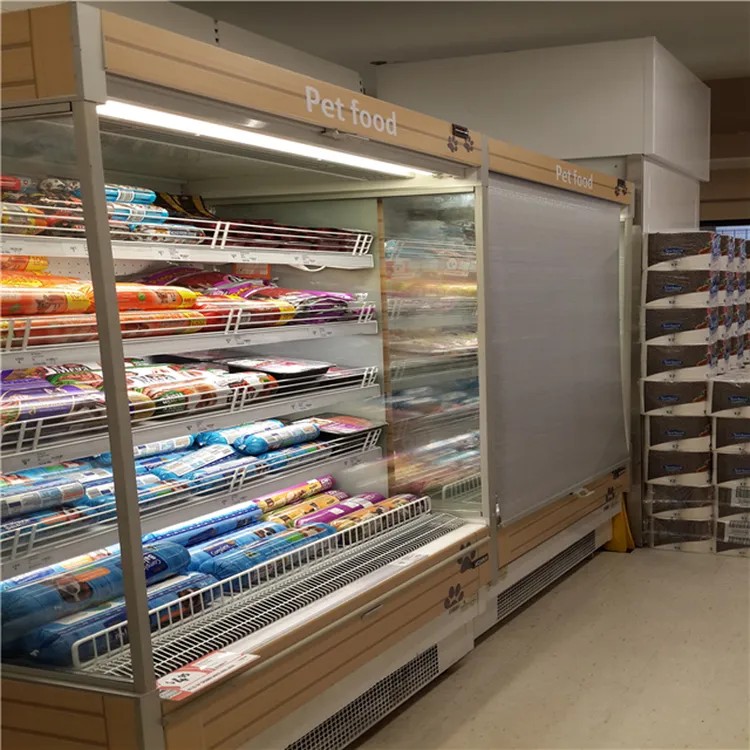
Utility rebate programs are designed to help retailers reduce operating costs and improve energy efficiency, yet refrigeration systems are often underrepresented in these initiatives. One of the most overlooked opportunities is addressing open refrigerated display case energy loss, which remains a major contributor to high electricity consumption in grocery environments.
In many supermarkets, energy waste continues even when equipment is functioning correctly, mainly due to uncovered display cases operating overnight. Including refrigeration night cover projects in rebate structures can significantly improve energy performance, reduce operational costs, and support long-term sustainability goals.
For practical refrigeration efficiency solutions and night cover systems, retailers often refer to industry resources such as www.econofrost.com, which focuses on improving cold-chain performance through energy-saving display protection strategies.
- The Hidden Cost of Uncovered Refrigeration Overnight: One of the biggest contributors to energy waste in retail environments is overnight refrigeration loss. When stores are closed, open cases continue to operate without customer traffic—but still lose significant cooling efficiency.
Key issues include:- Continuous heat gain in open refrigeration systems
- Excessive compressor cycling during low-demand hours
- Increased strain on cooling systems without product movement
- Reduced efficiency during early morning restocking periods
These factors directly reduce supermarket refrigeration efficiency, especially in stores with multiple open display units operating simultaneously.
Without protective covers, refrigeration systems must work harder to maintain temperature stability, leading to unnecessary energy consumption throughout the night cycle.
- Temperature Instability and Airflow Disruption: Open refrigerated cases are highly sensitive to environmental changes, especially during non-operational hours when store HVAC systems shift into energy-saving modes.
Common night-time issues include:- Fluctuating internal temperatures
- Uneven cooling across product zones
- Weak airflow circulation inside display cases
- Cold air escaping from exposed surfaces
These conditions often result in refrigerated case temperature instability, which negatively affects product quality and system efficiency.
At the same time, uncontrolled airflow leads to refrigerated case airflow issues, making it difficult for systems to maintain consistent cooling levels overnight.
Over time, this instability increases energy usage and reduces equipment lifespan.
- Night Covers as a Low-Cost Efficiency Solution: Refrigeration night covers are one of the most cost-effective ways to reduce energy waste in retail environments. They help stabilize temperature, reduce compressor load, and improve overall system performance without requiring equipment upgrades.
Key benefits include:- Reduced overnight cooling demand
- Improved cold air retention in supermarket displays
- Lower compressor runtime during off-hours
- More stable product temperature at store opening
By minimizing exposure, night covers significantly improve grocery store refrigeration optimization, especially in high-volume fresh food departments.
They also reduce dependency on mechanical cooling during non-operational hours, making them a strong candidate for utility rebate programs focused on energy reduction.
- Energy Savings and Operational Efficiency Impact: When properly implemented, night covers contribute directly to measurable energy savings. Retailers often underestimate how much energy is lost during non-trading hours.
Measurable improvements include:- Reduced refrigeration runtime overnight
- Lower peak energy demand in early morning hours
- Improved refrigeration load management across store systems
- Decreased strain on compressors and cooling units
These improvements contribute to overall supermarket energy saving solutions, allowing stores to reduce operational costs without changing core equipment.
In addition, stabilizing overnight conditions improves product freshness, reducing spoilage and enhancing morning display quality.
- Why Utility Rebate Programs Should Prioritize Night Covers: Utility rebate programs typically focus on high-cost equipment upgrades, but night covers offer a faster, lower-cost return on investment with immediate impact.
Reasons for inclusion:- Low installation cost with high energy savings
- Immediate reduction in refrigeration demand
- Improved system efficiency without infrastructure changes
- Strong alignment with sustainability and carbon reduction goals
By including night cover projects, rebate programs can expand their impact across more retail stores, especially small and mid-sized grocery chains that cannot afford major system upgrades.
This approach also helps improve store-level energy inefficiencies, which are often overlooked in traditional energy audits.
- Long-Term Impact on Retail Refrigeration Systems: Over time, consistent use of night covers contributes to better system health and operational stability. Reduced overnight load means less wear on compressors and fewer fluctuations in cooling demand.
Long-term benefits include:- Extended refrigeration equipment lifespan
- Improved temperature consistency across store operations
- Reduced maintenance requirements
- More predictable energy usage patterns
These benefits strengthen overall supermarket refrigeration efficiency, making refrigeration systems more reliable and cost-effective over time.
Conclusion
Refrigeration night covers represent one of the simplest yet most effective tools for reducing energy waste in retail environments. Despite their low cost, they deliver measurable improvements in efficiency, stability, and operational performance.
Including store-level energy inefficiencies in utility rebate programs ensures that overlooked energy losses are addressed at scale, while promoting practical sustainability solutions. At the same time, focusing on supermarket refrigeration efficiency helps retailers achieve consistent temperature control, lower energy bills, and improved product quality.
For further insights into refrigeration night cover systems and energy-saving solutions, retailers can explore www.econofrost.com, which provides practical tools designed to reduce cold-chain energy loss in real-world grocery environments.
By prioritizing night cover projects in rebate programs, utilities and retailers can work together to achieve faster, more affordable, and more sustainable refrigeration efficiency improvements.
[/fsn_text][/fsn_column][/fsn_row]