
[fsn_row][fsn_column width=”12″][fsn_text]
Introduction
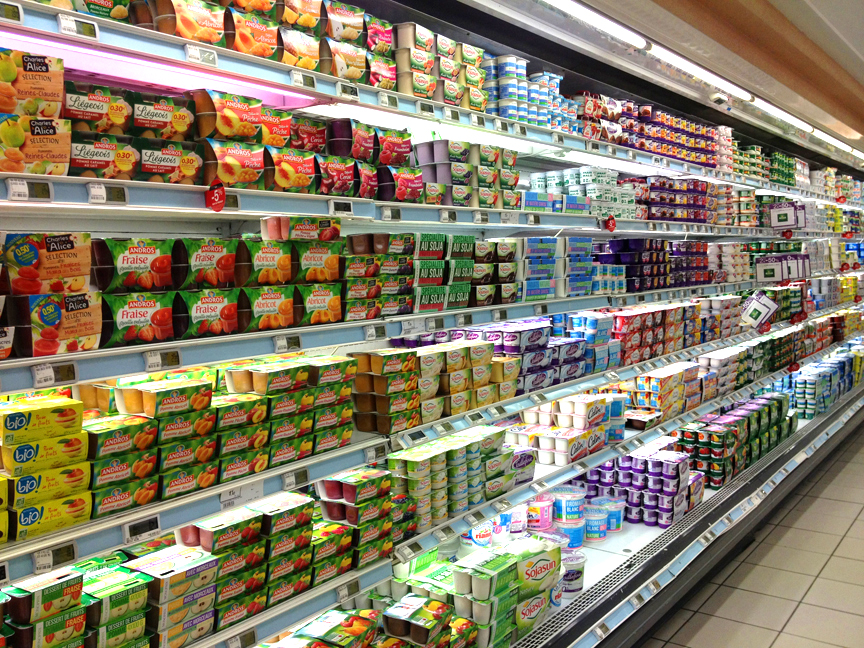
In modern grocery retail environments, refrigerated cases are designed to maintain precise temperature conditions while supporting continuous product visibility. However, when these systems are overloaded with products or improperly arranged, they begin to lose efficiency. One of the most immediate consequences is open refrigerated display case energy loss, which often goes unnoticed until energy bills rise or product quality declines.
Overloading does not just affect appearance or storage capacity—it disrupts airflow, increases thermal strain, and reduces the overall efficiency of refrigeration systems. Understanding how this happens is essential for improving performance, reducing waste, and maintaining consistent product quality across all fresh departments.
How Overloading Disrupts System Balance
Refrigerated cases depend on controlled airflow and balanced product placement to maintain stable internal conditions. When shelves are overcrowded, airflow pathways become blocked, leading to refrigerated case airflow issues.
This restriction forces cold air to circulate unevenly, creating zones where cooling is either too strong or too weak. As a result, systems struggle to maintain consistent performance, which directly impacts refrigerated case temperature instability.
Over time, this imbalance causes:
- Uneven cooling across product sections
- Increased strain on refrigeration components
- Reduced efficiency of air distribution systems
- Higher risk of localized warming within cases
Increased Thermal Stress and Heat Gain
Overloaded cases also experience greater exposure to external thermal influences. When airflow is restricted, warm air infiltration becomes more pronounced, leading to heat gain in open refrigeration systems.
This condition is further intensified by poor circulation, which reduces the system’s ability to manage internal temperature differences.
At the same time, insufficient airflow contributes to thermal loss in refrigerated display cases, as cold air cannot be properly retained or evenly distributed.
These combined effects create a cycle of inefficiency where:
- Cooling systems work harder to compensate
- Internal temperatures fluctuate more frequently
- Energy consumption increases significantly
- System recovery time becomes longer after disruptions
Impact on Airflow and Cooling Efficiency
Airflow is one of the most critical factors in maintaining refrigeration performance. When cases are overloaded, airflow resistance increases, resulting in persistent refrigerated case airflow issues.
This also weakens air curtain performance refrigerated case, especially in open merchandisers where air barriers are essential for separating cold and warm environments.
Consequences include:
- Reduced effectiveness of air curtains
- Increased cold air escape into surrounding areas
- Higher dependency on mechanical cooling systems
- Uneven temperature distribution across shelves
These airflow disruptions significantly reduce overall system efficiency and stability.
Energy Consumption and Hidden Waste
One of the most serious consequences of case overloading is hidden energy waste. When systems are forced to operate under restricted airflow conditions, they require more energy to maintain target temperatures.
This directly affects efforts to reduce refrigeration energy consumption, as systems compensate for inefficiencies by running longer cycles and using more power.
It also undermines supermarket energy saving solutions, since even well-designed systems cannot perform optimally under overloaded conditions.
Key energy impacts include:
- Increased compressor runtime
- Higher peak energy demand
- Reduced effectiveness of energy-saving controls
- Continuous strain on refrigeration systems
Over time, this leads to significantly higher operational costs.
Operational Efficiency Challenges
Overloading refrigerated cases does not only affect energy use—it also creates broader operational inefficiencies. These issues are often linked to store-level energy inefficiencies, where poor merchandising practices contribute to system stress.
They also affect supermarket operations optimization, as overloaded displays make it harder to maintain consistent product organization and temperature control.
Retailers may experience:
- Reduced visibility and accessibility of products
- Increased difficulty in maintaining proper stock rotation
- Higher likelihood of product spoilage
- Inefficient use of display space
These operational challenges directly impact overall store performance.
Product Quality and Shelf Life Impact
When airflow and temperature control are compromised, product quality begins to suffer. Overloaded cases struggle to maintain stable conditions required for preserving freshness.
This directly affects temperature stability food display, especially for sensitive fresh and perishable items.
It also reduces fresh food shelf life improvement, as inconsistent cooling accelerates quality degradation.
Common outcomes include:
- Faster spoilage of fresh products
- Reduced visual appeal of displayed items
- Increased risk of uneven cooling across products
- Lower customer confidence in freshness
Maintaining balanced load distribution is essential for preserving product integrity.
Monitoring and Load Management Strategies
To address overloading issues, retailers must implement better control systems and monitoring practices. One effective approach is refrigeration load management, which ensures that cooling systems operate within optimal capacity limits.
Another important tool is refrigeration performance monitoring, which helps identify inefficiencies caused by overloading and airflow restrictions.
Best practices include:
- Maintaining recommended fill levels for display cases
- Avoiding blockage of air circulation paths
- Regularly monitoring temperature consistency
- Adjusting stocking practices based on system capacity
These strategies help maintain both energy efficiency and product quality.
Improving System Efficiency Through Better Design
Proper case design and operational planning play a key role in preventing overloading-related issues. Systems designed with optimized airflow pathways help improve refrigeration thermal performance even under varying load conditions.
Additionally, better design and management can support improve refrigeration system performance, ensuring that equipment operates efficiently even during peak stocking periods.
When properly implemented, these improvements lead to:
- More stable temperature control
- Reduced energy consumption
- Improved product presentation
- Lower operational stress on refrigeration systems
Conclusion
Refrigerated case overloading creates hidden energy waste by disrupting airflow, increasing thermal strain, and reducing system efficiency. These issues not only affect energy consumption but also compromise product quality and operational performance.
By addressing open refrigerated display case energy loss and improving supermarket refrigeration efficiency, retailers can significantly reduce waste, enhance system stability, and ensure consistent performance across all refrigerated displays.
For More Information
For more insights on improving refrigeration efficiency and reducing energy loss in retail environments, visit:
https://www.econofrost.com
[/fsn_text][/fsn_column][/fsn_row]