
[fsn_row][fsn_column width=”12″][fsn_text]
Introduction
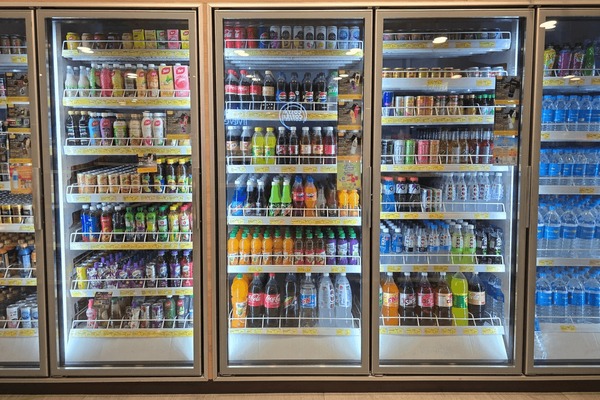
One of the most overlooked challenges in retail refrigeration is refrigerated case temperature instability, which directly affects product readiness in beverage coolers during store opening hours. When temperatures fluctuate overnight, beverages may not reach optimal serving conditions, leading to reduced customer satisfaction and increased energy strain on refrigeration systems.
In grocery and convenience store environments, this issue becomes even more critical because refrigerated units must recover quickly after long idle hours while maintaining stable performance across multiple product categories.
Why Temperature Drift Happens Overnight in Beverage Coolers
Heat Infiltration and System Load Imbalance
One of the major causes of instability is poor system balance during low-traffic hours. Even when doors are not frequently opened, heat infiltration continues through surrounding store conditions, especially in areas near entrances or warm aisles.
This leads to heat gain in open refrigeration systems, which forces compressors to work harder than necessary. Over time, this imbalance disrupts the cooling cycle and reduces efficiency.
As a result, beverage coolers often struggle to maintain steady internal conditions, especially when they transition from low-load nighttime operation to high-demand morning hours.
Airflow Disruption and Cooling Inefficiency
Another key issue is uneven airflow distribution. Poor design or blockage inside refrigerated cases can lead to refrigerated case airflow issues, preventing consistent cold air circulation across all shelves.
When airflow is disrupted, certain sections of the cooler may remain warmer than others. This directly impacts beverage quality, especially for temperature-sensitive drinks such as dairy-based beverages or chilled juices.
In many supermarkets, this inconsistency goes unnoticed until morning restocking, when staff observe uneven product temperatures and delayed cooling recovery.
Energy Strain During Recovery Cycles
Once store operations begin, refrigeration systems must rapidly stabilize internal temperatures. However, systems affected by overnight drift experience higher load demand, which impacts overall efficiency.
This is where supermarket refrigeration efficiency becomes a critical operational concern. Poor overnight stability forces compressors into longer cycles, increasing energy consumption and reducing equipment lifespan.
Over time, this contributes to higher operating costs and inconsistent cooling performance across beverage sections.
Operational and Business Impact on Beverage Displays
Delayed Product Readiness at Opening
When temperature drift occurs overnight, beverage coolers require additional time to reach ideal serving conditions. This delay affects early-morning customers who expect fully chilled drinks at store opening.
Retailers often underestimate how much cold air loss in open display cases during nighttime periods impacts morning readiness. Even small fluctuations overnight can create noticeable gaps in product quality and availability.
This is especially important in high-traffic stores where beverage sales peak during early hours.
Reduced Cooling Consistency Across Store Sections
Temperature inconsistency does not remain limited to beverage units. It often spreads across nearby refrigerated sections, creating broader instability.
This leads to operational challenges such as uneven cooling loads, inconsistent stock performance, and difficulty in maintaining standardized refrigeration conditions across departments.
In such cases, stores begin to experience declining grocery store refrigeration optimization, as systems struggle to balance cooling demands across multiple units simultaneously.
Increased Energy Consumption and Equipment Stress
When refrigeration systems repeatedly compensate for overnight temperature drift, energy usage increases significantly. This puts unnecessary strain on compressors and evaporators.
The continuous correction cycle reduces long-term efficiency and contributes to higher maintenance costs. Without proper control strategies, retailers often see rising operational expenses tied directly to cooling inefficiencies.
This makes system optimization essential not just for product quality but also for long-term financial sustainability.
Solutions to Improve Beverage Cooler Stability
Strengthening Thermal Control Systems
To minimize temperature drift, stores must improve insulation and airflow design within refrigerated units. Proper sealing and balanced cooling distribution help maintain consistent temperatures throughout the night.
This improves refrigeration thermal performance, ensuring that beverage coolers retain stable conditions even during extended low-traffic hours.
Better thermal control also reduces morning recovery time, allowing products to reach ideal serving temperatures faster.
Enhancing Energy and Load Management
Effective load balancing plays a crucial role in preventing system overload during transitions between night and morning cycles.
Advanced systems that support refrigeration load management help distribute cooling demand more evenly, reducing pressure on compressors and stabilizing performance across multiple units.
This not only improves energy efficiency but also reduces wear and tear on refrigeration components.
Improving Store-Level Refrigeration Strategy
Beyond equipment upgrades, stores must also focus on operational planning. Aligning refrigeration cycles with store activity patterns can significantly reduce inefficiencies.
Proper monitoring and adjustment of cooling schedules improve store-level energy inefficiencies, helping retailers maintain better control over temperature consistency while minimizing unnecessary energy usage.
This ensures beverage coolers are always ready for peak demand periods without excessive energy consumption.
Conclusion
Beverage cooler performance during opening hours is highly dependent on how well temperature stability is maintained overnight. Issues such as refrigerated case temperature instability and heat gain in open refrigeration systems directly influence product readiness, energy consumption, and overall store efficiency.
Retailers that invest in better system design, airflow control, and load management can significantly improve both product quality and operational performance. In the long run, addressing overnight temperature drift is not just a technical improvement.it is a strategic step toward more efficient refrigeration operations and higher customer satisfaction.
For more information :www.econofrost.com
[/fsn_text][/fsn_column][/fsn_row]