
[fsn_row][fsn_column width=”12″][fsn_text]
Introduction
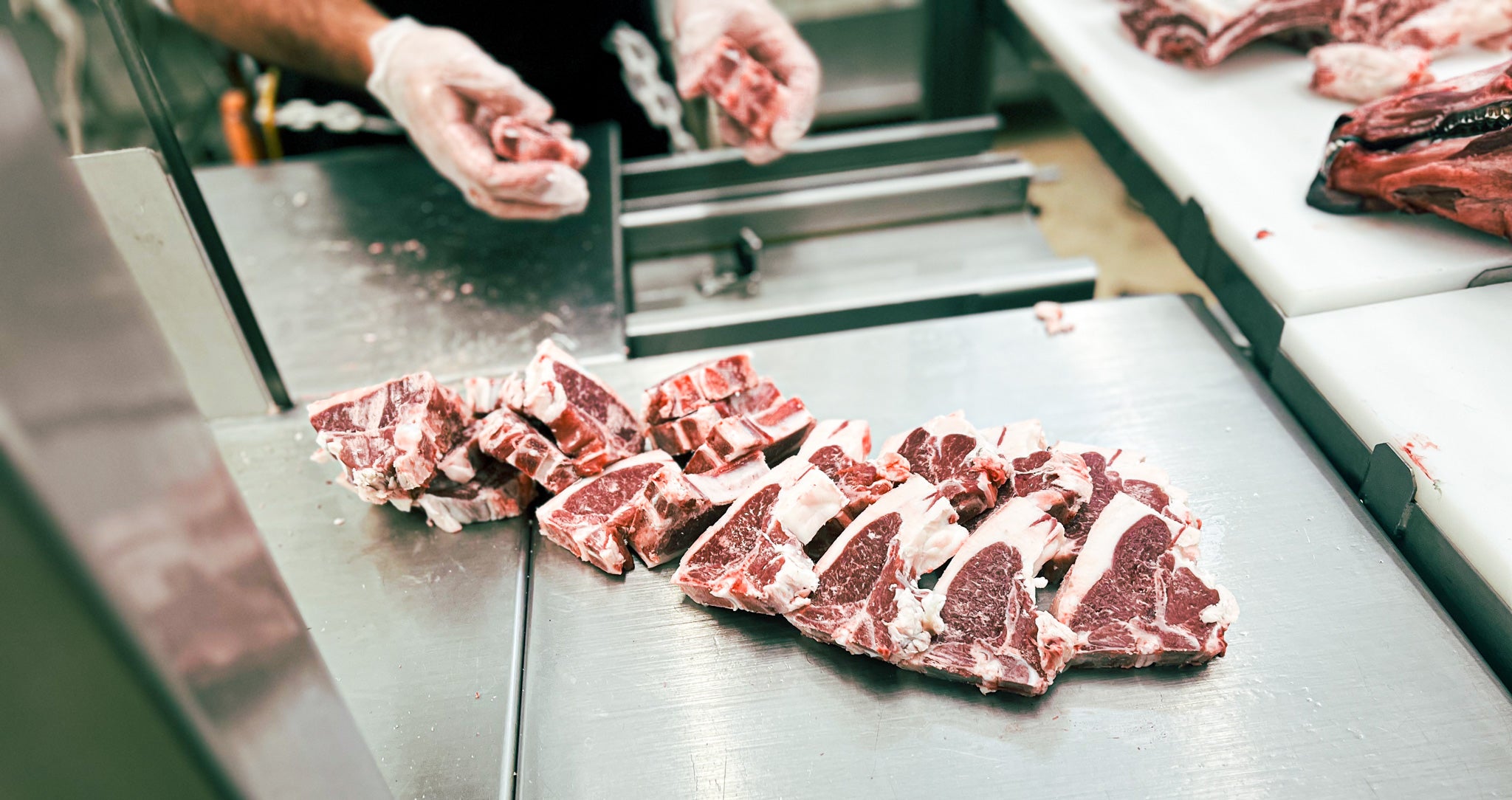
Maintaining precise environmental conditions in back-of-house meat preparation areas is essential for ensuring retail freshness and minimizing losses. Poor control can quickly lead to refrigerated case temperature instability, which directly affects how meat products perform once placed in open retail display cases the next day.
When temperature fluctuates during preparation, cutting, or storage, it triggers a chain reaction that affects both quality and energy performance across the store. This is especially important for retailers aiming to achieve better supermarket refrigeration efficiency while also ensuring consistent product presentation in chilled displays.
Understanding how backroom temperature control impacts front-of-house performance is key to reducing spoilage, improving efficiency, and supporting overall grocery store operations.
Temperature Control and Its Link to Case Performance
One of the most critical issues arising from poor prep room management is refrigerated case airflow issues. When meat is not properly chilled during preparation, it releases excess heat and moisture when moved to display units. This disrupts airflow balance inside cases, forcing systems to work harder to stabilize conditions.
Inconsistent prep room temperatures also lead to uneven cooling loads, reducing air curtain performance refrigerated case efficiency. The air curtain is designed to keep cold air inside and warm air outside, but fluctuating product temperatures weaken this barrier. As a result, energy consumption increases while display quality decreases.
Retailers often underestimate how much upstream handling influences downstream performance. Even small temperature variations during slicing, packaging, or storage can create long-term instability in refrigerated displays, especially during peak store hours when systems are already under heavy load.
Impact on Energy Use and Store Efficiency
Temperature instability in prep rooms is not just a product quality issue — it is also a major operational cost factor. When meat products enter display cases at inconsistent temperatures, refrigeration systems must compensate by increasing cooling cycles. This reduces reduce refrigeration energy consumption efficiency across the store.
As energy demand rises, stores experience higher operating costs and reduced system lifespan. In many cases, poor temperature control in preparation areas contributes directly to higher refrigeration loads at the store level.
This inefficiency also affects grocery store refrigeration optimization, as systems struggle to balance load distribution between backroom storage and front-end display cases. Over time, this imbalance leads to uneven cooling, increased compressor strain, and unnecessary energy waste.
Proper coordination between prep room cooling systems and retail display units is therefore essential for maintaining stability and reducing operational inefficiencies.
Food Quality and Next-Day Display Performance
When meat is stored at unstable temperatures before being displayed, its texture, color, and freshness deteriorate more rapidly. This directly impacts customer perception and reduces shelf appeal. Inconsistent prep room control also shortens product life and increases shrink rates once items reach the display floor.
Maintaining strict temperature discipline supports better cold air retention in supermarket displays, ensuring that products enter the retail environment in optimal condition. This helps maintain visual quality and slows down microbial growth, extending freshness into the next day’s trading period.
Additionally, poor handling before display can contribute to heat transfer in refrigerated cases, as warmer products release latent heat into already chilled environments. This forces refrigeration systems to compensate repeatedly, reducing both efficiency and consistency.
By stabilizing prep room conditions, retailers can significantly improve product readiness, reduce spoilage, and maintain stronger merchandising standards across all meat display sections.
Operational Challenges in Meat Preparation Areas
Many grocery stores face hidden inefficiencies in their back-of-house operations. These often fall under broader grocery store refrigeration problems, where prep rooms are not fully aligned with retail cooling systems.
Without proper monitoring, temperature fluctuations go unnoticed until they appear as quality issues in the display case. This is where refrigeration performance monitoring becomes essential, allowing managers to track temperature consistency in real time and identify weak points in the cooling chain.
Improving coordination between prep rooms and display systems also enhances case temperature control supermarket operations. When both environments operate in sync, refrigeration units experience fewer fluctuations, leading to improved stability and reduced energy waste.
Ultimately, addressing these issues supports overall store efficiency and reduces avoidable product loss across meat departments.
Conclusion
Strong temperature discipline in meat preparation areas plays a critical role in maintaining product quality, energy efficiency, and overall retail performance. Without it, stores face unstable cooling conditions that reduce both freshness and system efficiency.
Effective control helps strengthen supermarket refrigeration efficiency while ensuring consistent product presentation in chilled displays. It also supports long-term operational stability and reduces unnecessary energy strain across refrigeration systems.
At the same time, reducing refrigerated case temperature instability ensures that products maintain their quality from prep room to shelf, improving both customer satisfaction and store profitability.
By aligning back-of-house temperature control with front-of-house display systems, retailers can achieve a more efficient, stable, and sustainable refrigeration environment.
For more information
Visit our website Www.econofrost.com
[/fsn_text][/fsn_column][/fsn_row]