
[fsn_row][fsn_column width=”12″][fsn_text]
How to capture, analyse and present real store data post-installation to validate benefits
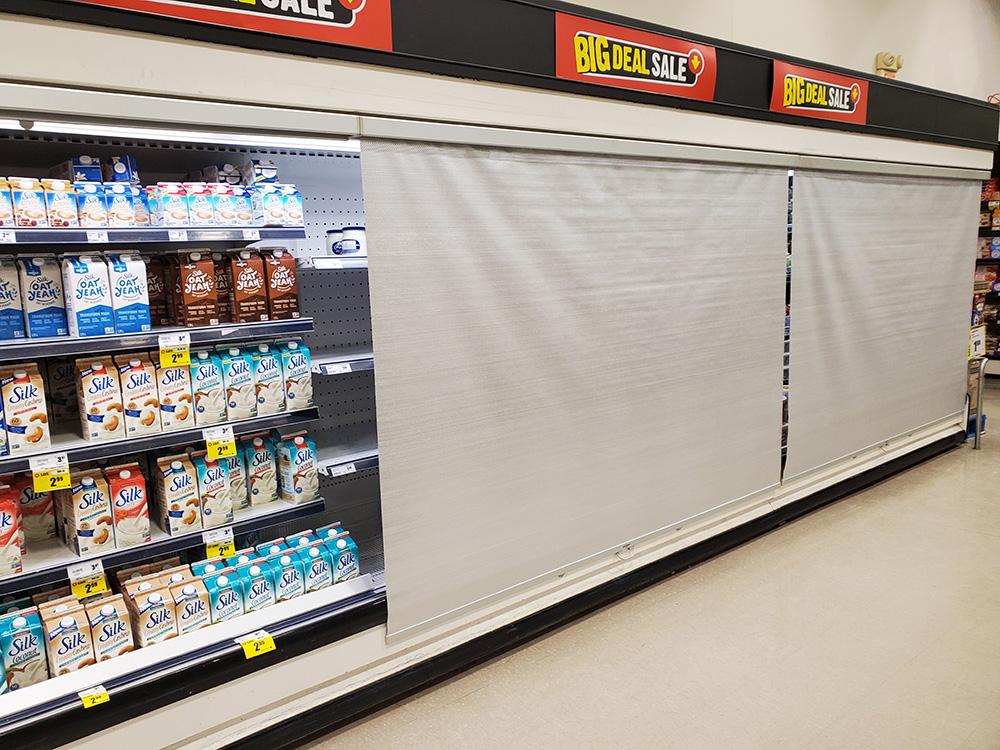
Retailers are increasingly looking for tangible proof that operational investments deliver measurable results. Econofrost night covers, when properly deployed across produce, deli, meat, bakery, and beverage departments, can improve refrigeration efficiency, reduce energy consumption, and maintain product quality. However, these benefits are most compelling when validated using store-specific data. By capturing and analyzing metrics such as refrigeration footage, internal case temperatures, and operational savings, store managers and operations teams can clearly demonstrate the value of night covers to stakeholders, while also identifying opportunities for program optimization.
When combined with low-heat, food-safe LED lighting for meat display lighting, produce display lighting, bakery display lighting, deli display lighting, and seafood display lighting, night covers become part of a holistic strategy for enhancing operational efficiency, sustainability, and shopper satisfaction.
Identifying Key Metrics to Monitor Night Cover Performance
To effectively validate night cover benefits, it is essential to establish measurable performance indicators. The following areas should be considered:
- Refrigeration Footage and Case Type
- Document the size, type, and configuration of each open display case.
- Include vertical, multi-deck, island, and specialty beverage units.
- Accurate case mapping allows comparison between covered and uncovered cases to assess relative thermal retention and efficiency.
- Temperature Monitoring
- Internal case temperatures provide the most direct evidence of night-cover effectiveness.
- Measure temperatures at multiple points: case face, product interior, and air circulation zones.
- Comparing overnight and morning temperatures between covered and uncovered cases highlights the impact on cold-air retention.
- Energy Consumption
- Track compressor runtime and energy usage for display cases equipped with night covers.
- Compare these values against historical baselines or similar cases without covers.
- Reduction in compressor workload demonstrates energy savings and supports sustainability goals.
- Operational and Product Outcomes
- Evaluate product condition in the morning: visual freshness, color, texture, and moisture content.
- Track reduction in product trimming, spoilage, and discard rates.
- Labor hours associated with morning recovery and product corrections can also be quantified.
Data Capture Techniques
To ensure accurate and actionable results, data capture should be systematic:
- Temperature Logging
- Use calibrated temperature sensors or data loggers in key locations within display cases.
- Record temperature at regular intervals overnight to capture fluctuations and identify thermal retention effectiveness.
- Highlight differences between cases with and without night covers.
- Energy Monitoring
- Install sub-meters on compressors serving covered cases.
- Track runtime, kWh consumption, and load cycling to quantify energy savings.
- Combine with ambient store temperature and refrigeration schedule data for contextual analysis.
- Visual Documentation
- Capture photos or video footage of product condition and night cover deployment.
- Document how covers are fitted and removed to demonstrate operational practicality.
- Footage can serve as visual evidence when presenting results to stakeholders or operational teams.
Analyzing Night Cover Data
Once data is captured, structured analysis ensures clarity and credibility:
- Temperature Analysis
- Compare overnight and morning temperatures across multiple cases.
- Identify patterns showing where night covers contribute to more stable temperatures.
- Highlight improvements in temperature consistency for sensitive items like meat, produce, bakery, and deli products.
- Energy and Compressor Performance
- Calculate differences in compressor runtime for covered versus uncovered cases.
- Correlate runtime reductions with observed temperature stability to demonstrate efficiency gains.
- Showcase how reduced load and cycling lower maintenance risk for refrigeration equipment.
- Operational Impact
- Evaluate morning product readiness: visual appeal, trimming requirements, and spoilage reduction.
- Link these observations to labor efficiency gains and operational cost savings.
- Highlight department-specific improvements, including produce display lighting, meat display lighting, deli display lighting, and bakery display lighting outcomes.
Presenting Data to Stakeholders
Data validation is most effective when presented in a clear, concise, and actionable manner:
- Executive Summaries: Provide a snapshot of key results for store managers, operations teams, and corporate stakeholders.
- Graphs and Charts: Visual representations of temperature trends, energy savings, and operational improvements make data easier to interpret.
- Before-and-After Comparisons: Show visual and numeric contrasts between uncovered and covered cases to highlight night-cover impact.
- Departmental Breakdowns: Tailor results by produce, meat, deli, bakery, and beverage areas to demonstrate targeted benefits.
Clear presentation of validated results reinforces the business case for night-cover programs and encourages wider adoption across additional stores or departments.
Optimizing Night-Cover Programs Using Data
Capturing and analyzing performance data not only validates benefits but also informs program improvements:
- Adjust Deployment Schedules: Identify the most effective timing for cover installation and removal to maximize thermal retention.
- Evaluate Cover Fit and Material: Analyze temperature and energy data to determine whether existing covers provide full coverage or if adjustments are needed.
- Coordinate with Lighting and Refrigeration: Ensure low-heat, food-safe LED lighting and refrigeration schedules align with night-cover use for optimal results.
- Continuous Monitoring: Establish routine data collection to track long-term performance and identify trends that may warrant procedural updates.
Conclusion
Validating the performance of Econofrost night covers requires a structured approach to capturing, analyzing, and presenting store-specific data. By measuring refrigeration footage, internal case temperatures, energy usage, and operational outcomes, retailers can clearly demonstrate the value of night covers across produce, deli, meat, bakery, and beverage departments. When used in combination with low-heat, food-safe LED lighting for meat display lighting, produce display lighting, bakery display lighting, deli display lighting, and seafood display lighting, night covers contribute to enhanced product preservation, reduced energy consumption, lower compressor load, and overall operational efficiency. Systematic validation not only strengthens the business case for night-cover programs but also provides actionable insights for ongoing optimization and expansion.
CTA
To explore data-driven night cover solutions and validate performance in your store, visit:
https://www.econofrost.com
[/fsn_text][/fsn_column][/fsn_row]
